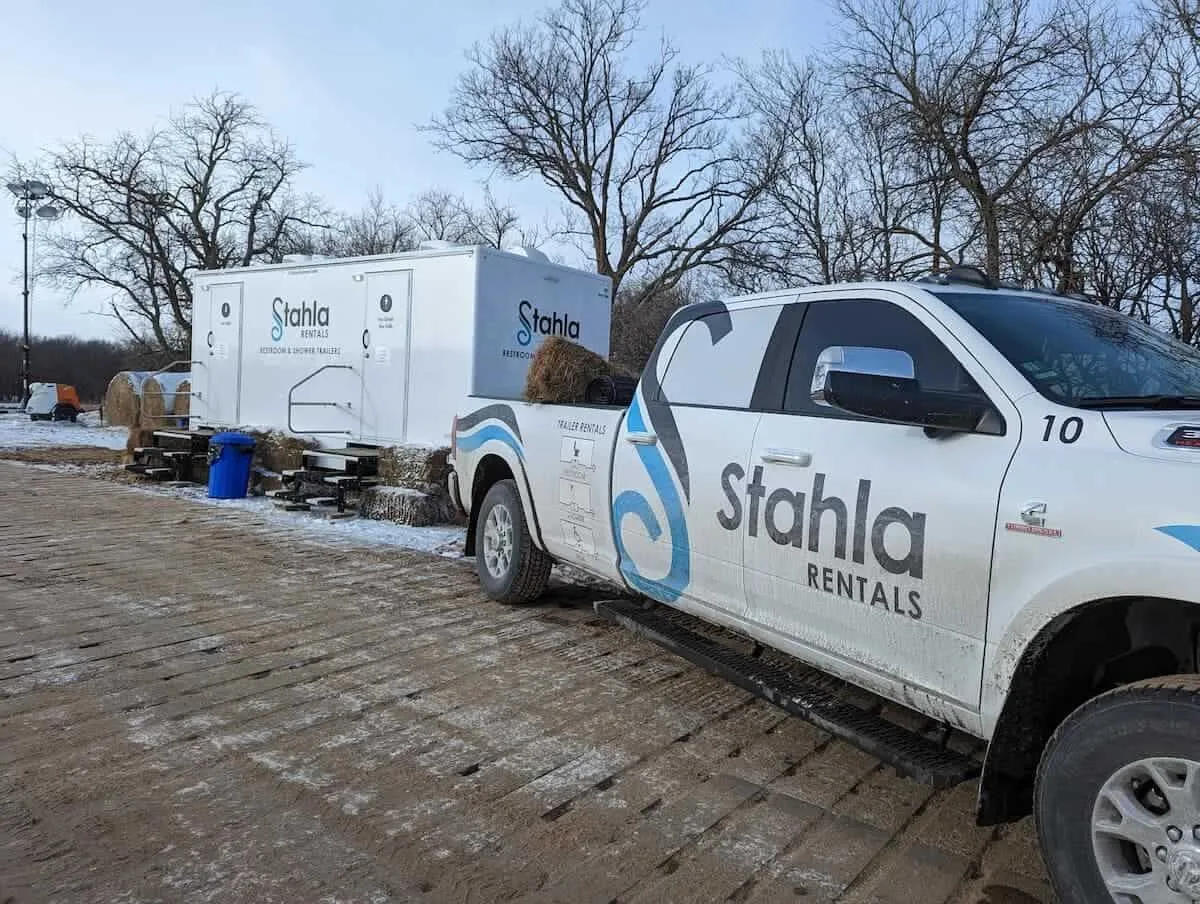
Traveling carnivals and local fairs bring excitement to communities throughout Texas, from small-town church fundraisers to major carnival operations that tour the state year-round. These events create magical experiences for families—but behind the cotton candy and Ferris wheels, practical logistics determine whether that magic holds together. Restroom facilities rank among the most critical elements, and poor planning quickly turns joyful outings into frustrated departures.
This guide covers restroom trailer rental considerations specific to Texas carnivals and traveling fairs. Whether you’re a carnival operator planning your season route or a community organization hosting a weekend fair, you’ll find practical guidance for keeping guests comfortable while they enjoy the rides and games.
Understanding Carnival and Fair Restroom Demands
Carnivals and fairs create distinctive restroom usage patterns that differ from other event types. Understanding these patterns helps you plan facilities that actually meet demand.
Family-Heavy Demographics
Carnivals and fairs attract families with children at rates far exceeding most events. Children need restroom access more frequently than adults—excited kids who’ve been drinking sodas and eating carnival treats may need facilities every 30-45 minutes. Each visit takes longer when parents accompany young children, and families often visit in groups where multiple children need facilities simultaneously.
This family dynamic significantly affects capacity planning. Events with 40%+ child attendance need roughly 25% more restroom capacity than adult-focused events of similar size. The math accounts for both frequency of use and extended time per visit.
Food and Beverage Impact
Carnival food culture—corn dogs, funnel cakes, cotton candy, lemonade, snow cones—drives significant beverage consumption. Kids especially consume drinks throughout their carnival experience. All that liquid intake translates directly to restroom demand, typically increasing usage 20-30% above events without heavy food and beverage components.
Extended Operating Hours
Carnivals typically operate long hours—often noon to 10 PM or later—with some attendees present for much of that duration. Multi-day fairs see repeat visitors across several days. Facilities must maintain quality across these extended periods, with servicing schedules that keep pace with sustained demand.
Capacity Planning for Carnivals
Carnival restroom capacity calculations must account for family attendance patterns and food-heavy consumption.
Base Calculations
Start with one restroom station per 50-60 peak simultaneous attendees, then adjust for carnival-specific factors:
Family adjustment (+20-25%): Heavy family attendance with young children increases both frequency and duration of restroom visits.
Food/beverage adjustment (+15-20%): Carnival food culture drives higher-than-normal beverage consumption and corresponding restroom usage.
Duration adjustment (+10-15%): Extended operating hours and multi-day events require additional capacity for maintenance rotation.
Example Calculation
A weekend carnival expecting 3,000 peak simultaneous attendees with typical family demographics:
Base calculation: 3,000 ÷ 55 = 55 stations
Family adjustment (+22%): 55 × 1.22 = 67 stations
Food/beverage adjustment (+18%): 67 × 1.18 = 79 stations
Duration adjustment (+12%): 79 × 1.12 = 88 stations
This carnival should plan for approximately 90 restroom stations—substantially more than basic calculations would suggest.
Strategic Placement on Carnival Grounds
Carnival layouts typically organize around midways, ride areas, food courts, and game zones. Restroom placement must serve all areas without creating conflicts with traffic flow or carnival operations.
Midway Distribution
The carnival midway represents the heart of activity—families moving between rides, games, and food vendors. Distribute restroom facilities along the midway so attendees are never more than a 2-minute walk from facilities. Concentrated restroom areas create bottlenecks; distributed placement spreads usage across available capacity.
Near Kids’ Areas
Position restroom facilities near children’s ride sections and kids’ activity areas. Parents with young children face urgent restroom needs that don’t wait for long walks across carnival grounds. Close proximity to kids’ areas reduces accidents and parent frustration.
Food Service Proximity
Food vendor areas generate immediate hand-washing needs—sticky carnival treats and finger foods create hygiene demands. Position facilities where attendees can easily find them after eating. However, maintain enough separation that restroom queues don’t interfere with food lines or dining areas.
Entry/Exit Points
Families often need restroom access upon arrival (after car rides) and before departure (final opportunity). Position facilities near main entrances and parking areas to serve these predictable needs. Exit-area restrooms also support parents managing children’s last-minute “emergencies” before heading home.
ADA Compliance for Carnivals
Carnivals must provide accessible restroom facilities for attendees with disabilities. ADA-compliant restroom trailers ensure all carnival-goers can enjoy the experience without facility barriers.
Position accessible facilities throughout the carnival footprint, not concentrated in one area. Attendees using wheelchairs or mobility devices shouldn’t face significantly longer travel distances than other guests. Accessible pathways to restroom facilities require attention—carnival grounds can become challenging terrain for wheelchair users.
Family accessibility matters too. Many carnival attendees with disabilities are children—parents navigating carnival crowds while managing wheelchairs or mobility equipment appreciate conveniently located accessible facilities.
Family-Friendly Features
Carnival restroom facilities should accommodate families with features designed for parents and children.
Baby Changing Stations
Include changing tables in both men’s and women’s facilities. Carnival families include fathers managing diaper changes—forcing them to hunt for facilities with changing tables or improvise creates unnecessary frustration. Verify changing station availability before delivery.
Family Units
Family-sized restroom units allow parents to accompany multiple children or assist family members needing help. These larger spaces reduce anxiety for parents uncomfortable sending young children into facilities alone and provide dignified options for families with special needs members.
Child-Height Features
Some restroom trailers include step stools or child-height fixtures that help kids use facilities independently. These features speed throughput and give children confidence in unfamiliar settings.
Traveling Carnival Considerations
Traveling carnival operators face unique challenges managing restroom facilities across multiple venues and locations throughout the season.
Variable Venue Infrastructure
Each carnival stop presents different infrastructure—some venues have water and electrical hookups, others require completely self-contained operations. Self-contained restroom trailers with onboard fresh water tanks, waste holding capacity, and generator-ready electrical systems provide flexibility for varied venue conditions.
Setup and Teardown Efficiency
Traveling operations need restroom equipment that sets up and breaks down quickly. Coordinate delivery and pickup timing with your overall load-in/load-out schedule. Restroom facilities should be among the first elements ready during setup—workers need access during construction—and among the last elements removed during teardown.
Regional Service Coordination
Carnival routes crossing multiple Texas regions may benefit from working with providers who have service networks spanning your territory. Alternatively, establish relationships with local providers at each major stop. Consistent service quality across your route maintains attendee experiences regardless of location.
Multi-Day Event Management
Most carnivals and fairs run multiple days, requiring sustained facility management throughout the event run.
Daily Servicing
Plan comprehensive servicing between operating days—pumping, cleaning, and supply replenishment. Schedule service during overnight hours so facilities are fresh when gates open. High-traffic locations may need mid-day service during peak attendance days.
Ongoing Monitoring
Assign staff to monitor facilities throughout operating hours. Issues addressed quickly stay minor; issues ignored become major complaints. Supply levels, cleanliness conditions, and facility functionality all warrant regular attention.
Weather Considerations
Texas weather affects carnival operations and restroom facilities alike. Summer carnivals face extreme heat requiring climate-controlled trailers—non-air-conditioned facilities become unusable in Texas summer temperatures. Spring and fall events may encounter rain requiring covered approaches and ground protection around facilities.
Budget for climate-controlled units during warm seasons. The comfort difference between air-conditioned and non-air-conditioned facilities is dramatic—and families will remember and comment on uncomfortable conditions.
Budgeting for Carnival Restrooms
Carnival restroom costs vary based on event size, duration, and quality level. Expect to budget $3-$8 per expected attendee-day for comprehensive facilities including rental, delivery, daily servicing, and supplies. A 3-day carnival expecting 5,000 daily visitors might budget $45,000-$120,000 for restroom facilities.
Quality facilities support ticket prices and concession sales. Frustrated attendees leave early, spending less on rides, games, and food. Investing in adequate, quality restroom facilities pays dividends through extended visits and repeat attendance.
Partner with Texas Carnival Specialists
Carnival restroom planning requires providers who understand the unique demands of traveling entertainment operations—the family-heavy audiences, extended hours, multi-day operations, and varied venue conditions. Working with experienced partners helps ensure your facilities perform throughout your carnival run.
Ready to plan restroom facilities for your Texas carnival or fair? Request a consultation addressing your event’s specific needs, venue conditions, and operational schedule. Let’s create facilities that keep families comfortable while they enjoy the carnival magic.