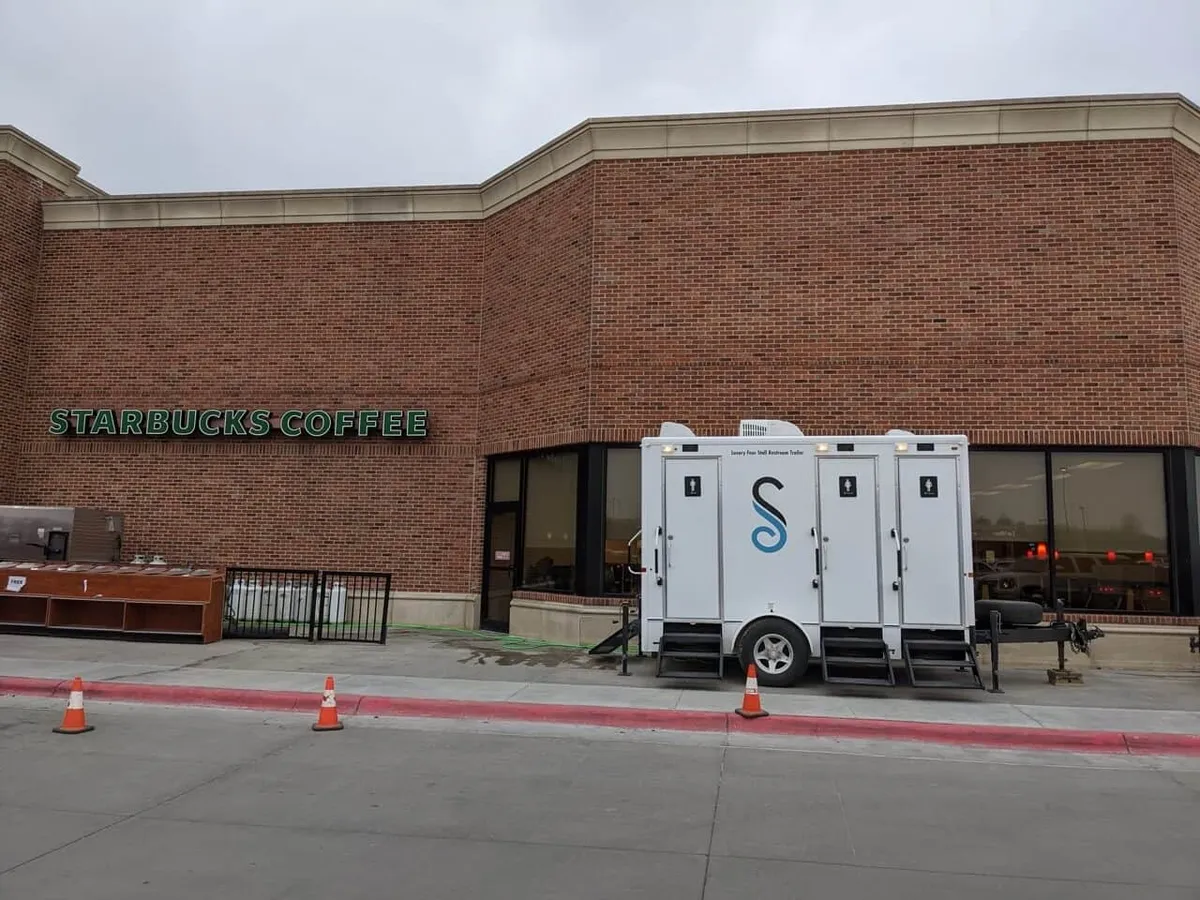
Cultural festivals celebrate the diverse heritage that makes Texas unique. From Fiesta San Antonio’s eleven-day celebration of the city’s rich history to Houston’s International Festival, Fredericksburg’s German heritage events, and countless community celebrations across the state, these gatherings bring together people of all backgrounds to honor traditions, share food, and create memories. Planning restroom facilities for cultural festivals requires understanding the unique characteristics that set these events apart from typical outdoor gatherings.
This guide explores how restroom trailer planning supports successful cultural festivals in Texas. Whether you’re organizing a heritage celebration, ethnic food festival, or community cultural event, proper restroom planning ensures attendees focus on the celebration rather than searching for facilities.
Understanding Cultural Festival Dynamics
Cultural festivals attract distinctive crowds with specific characteristics that affect restroom planning. Understanding these dynamics helps organizers provide appropriate facilities that serve all attendees effectively.
Multi-Generational Attendance
Cultural festivals typically draw multi-generational crowds—grandparents sharing heritage with grandchildren, families reconnecting with roots, and community members of all ages celebrating together. This demographic mix means your facilities must serve everyone from young children requiring family assistance to elderly attendees with mobility considerations.
Young children need more frequent restroom access and typically require more time per visit, especially when parents assist with unfamiliar facilities. Elderly attendees may have medical conditions requiring more frequent restroom access and appreciate facilities that don’t require long walks or extensive waiting.
Extended Event Duration
Major cultural festivals like Fiesta San Antonio span multiple days or even weeks. Even single-day events often run 10-12 hours, with some attendees present throughout. This extended duration creates sustained restroom demand that differs from the concentrated spikes of shorter events. Facilities must maintain quality across long operating hours and multiple days.
Multi-day festivals see attendees return repeatedly, and their restroom experiences accumulate across visits. A facility that seemed acceptable on day one becomes frustrating if conditions decline by day three. Consistent quality throughout the festival run matters for attendee satisfaction and festival reputation.
Food-Centric Programming
Food plays central roles in most cultural festivals—it’s how communities share heritage and traditions. Festival-goers spend significant time eating and drinking, which directly affects restroom usage patterns. Expect higher restroom demand during and after meal periods as attendees consume food and beverages, particularly at events featuring spicy cuisines or alcoholic beverages.
Fiesta San Antonio: A Case Study
Fiesta San Antonio provides an instructive example for cultural festival restroom planning. As Texas’s largest cultural celebration, Fiesta encompasses over 100 events across eleven days, attracting millions of participants. The festival’s scale and complexity illustrate planning principles applicable to cultural events of all sizes.
Multiple Venue Considerations
Fiesta events occur at venues throughout San Antonio—from La Villita’s Night in Old San Antonio to the Texas Cavaliers River Parade along the River Walk. Each venue presents different logistical constraints, existing infrastructure, and audience characteristics. Restroom planning must address venue-specific challenges rather than applying one-size-fits-all approaches.
Historic district locations may have limited placement options and access restrictions. Open park spaces offer flexibility but require self-contained facilities. River-adjacent events face environmental considerations affecting waste management. Understanding each venue’s requirements enables appropriate facility selection and placement.
Crowd Density Management
Popular Fiesta events pack extraordinary crowds into limited spaces. A Night in Old San Antonio regularly draws 80,000+ attendees across four nights. Managing restroom access for dense crowds requires strategic placement that doesn’t create dangerous bottlenecks while remaining accessible to attendees throughout crowded venues.
Multiple restroom clusters distributed throughout event footprints prevent single-location crowding. Clear signage and wayfinding help attendees locate the nearest facilities rather than all converging on the most visible option.
Capacity Planning for Cultural Festivals
Cultural festival capacity calculations must account for demographic factors that affect usage patterns beyond simple headcount considerations.
Base Calculations with Adjustments
Start with standard event ratios—one restroom station per 50-75 attendees—then adjust for cultural festival factors:
Family adjustment (+15-20%): Events with significant family attendance need additional capacity for longer usage times and accompanying parents.
Senior adjustment (+10-15%): Events attracting older demographics benefit from additional capacity to reduce wait times and walking distances.
Food/beverage adjustment (+15-25%): Heavy food and drink consumption increases restroom usage frequency, particularly at events featuring alcoholic beverages.
Duration adjustment (+10-20%): Multi-day events or long single-day events need additional capacity to allow for maintenance rotation without reducing available facilities.
Example Calculation
A cultural food festival expecting 5,000 peak simultaneous attendees with strong family attendance and significant food/beverage service:
Base calculation: 5,000 ÷ 60 = 83 stations
Family adjustment (+15%): 83 × 1.15 = 95 stations
Food/beverage adjustment (+20%): 95 × 1.20 = 114 stations
This festival should plan for approximately 115 restroom stations—significantly more than a simple headcount calculation would suggest.
ADA Accessibility at Cultural Festivals
Cultural festivals celebrate community inclusion—and that inclusion must extend to attendees with disabilities. ADA-compliant restroom trailers ensure everyone can participate fully in cultural celebrations.
Position accessible facilities throughout the festival footprint, not concentrated in limited areas. Multi-generational events often include attendees using wheelchairs, walkers, or other mobility aids who shouldn’t face longer travel distances than other attendees.
Accessible routes to restroom facilities deserve careful attention. Festival grounds can become challenging for wheelchair users—consider temporary pathway surfaces, clear signage, and staff trained to provide directions to accessible facilities.
Family-Friendly Facility Considerations
Cultural festivals draw families, and family-friendly restroom features improve experiences for parents and children alike.
Family Units
Consider restroom trailers with family units—larger spaces where parents can accompany young children or assist elderly family members. These units reduce anxiety for parents who don’t want young children using facilities alone and provide dignified assistance options for family members needing help.
Baby Changing Facilities
Diaper changing stations in both men’s and women’s facilities acknowledge that fathers change diapers too. Festival families shouldn’t have to seek out specific restrooms for basic childcare tasks. Verify that your rental units include changing tables before delivery.
Lower Fixtures
Some restroom trailers include child-height fixtures or step stools that help young children use facilities independently. These features reduce time per visit and give children confidence using unfamiliar facilities.
Managing Multi-Day Cultural Events
Extended cultural festivals require sustained facility management that maintains quality from opening day through final events.
Service Scheduling
Plan comprehensive servicing between festival days—pumping, deep cleaning, and supply replenishment. Schedule these services during overnight hours so facilities are fresh when gates open. During operating hours, maintain regular cleaning rounds every 2-3 hours to keep facilities presentable.
For week-plus events like Fiesta, build relationships with service providers who can scale support based on actual usage patterns. A busy weekend might need more attention than slower weekday periods.
Quality Monitoring
Assign staff to monitor facility conditions throughout operating hours. Issues addressed quickly remain minor inconveniences; issues ignored become memorable complaints. Empower monitoring staff to call for immediate service when conditions warrant rather than waiting for scheduled maintenance.
Weather Considerations
Texas cultural festivals occur year-round, facing whatever weather the season brings. Facilities must function comfortably across varying conditions.
Spring festivals like Fiesta may encounter rain—ensure covered approaches where possible and ground protection that prevents mud accumulation. Summer events face extreme heat—climate-controlled trailers become essential rather than optional. Fall festivals enjoy milder weather but may need heating capability for cooler evenings.
Climate control isn’t just about comfort—Texas heat makes non-air-conditioned facilities genuinely unpleasant and potentially hazardous. Budget for climate-controlled units when temperatures may exceed comfortable ranges.
Placement Within Festival Layouts
Cultural festivals typically organize around stages, food vendors, merchandise areas, and cultural displays. Position restroom facilities where they serve attendees conveniently without disrupting programming flow.
Place facilities near food service areas—attendees combine eating and restroom visits frequently. Position additional facilities near main stages where crowds concentrate. Include facilities near entrance/exit points for arriving and departing attendees.
Avoid placing all facilities in one location. Distributed placement reduces walking distances for all attendees and prevents facility areas from becoming congested zones that detract from festival atmosphere.
Partner with Texas Cultural Event Specialists
Cultural festivals require restroom providers who understand the unique dynamics of heritage celebrations—the multi-generational audiences, extended durations, and community importance of these events. Working with experienced partners helps ensure your facilities support rather than detract from cultural programming.
Ready to plan restroom facilities for your Texas cultural festival? Request a consultation addressing your event’s specific needs, venue constraints, and audience characteristics. Let’s create facilities that help your community celebrate its heritage in comfort.