When disaster strikes Texas communities, the immediate focus falls on life safety, rescue operations, and emergency medical care. But as the crisis stabilizes, basic human needs—including sanitation—become critical concerns. Displaced residents, response workers, and volunteers all need access to restroom facilities, often in situations where normal infrastructure has been damaged or destroyed. Understanding how to provide effective sanitation during disaster relief operations helps communities recover faster while maintaining dignity and health for everyone affected.
Texas Disaster Landscape
Texas faces a broader range of natural disasters than almost any other state. Hurricanes threaten the Gulf Coast. Tornadoes strike across North Texas and the Panhandle. Flooding affects communities statewide. Wildfires burn through drought-stricken regions. Winter storms occasionally paralyze areas unaccustomed to extreme cold. Each disaster type creates different sanitation challenges requiring adapted responses.
The geographic size of Texas compounds disaster response challenges. Resources must sometimes travel hundreds of miles to reach affected areas. Remote communities may be isolated by damaged roads or infrastructure. Effective disaster sanitation planning accounts for these logistical realities.
Texas communities have demonstrated remarkable resilience in recovering from disasters, but that recovery depends on addressing basic needs quickly and effectively. Sanitation facilities play an often-underappreciated role in supporting community recovery.
The Role of Sanitation in Disaster Response
Sanitation affects disaster response at multiple levels. Public health depends on proper waste management to prevent disease outbreaks that could compound the disaster’s impact. Displaced residents need dignified facilities to maintain normalcy during difficult circumstances. Response workers require adequate facilities to sustain operations over extended periods.
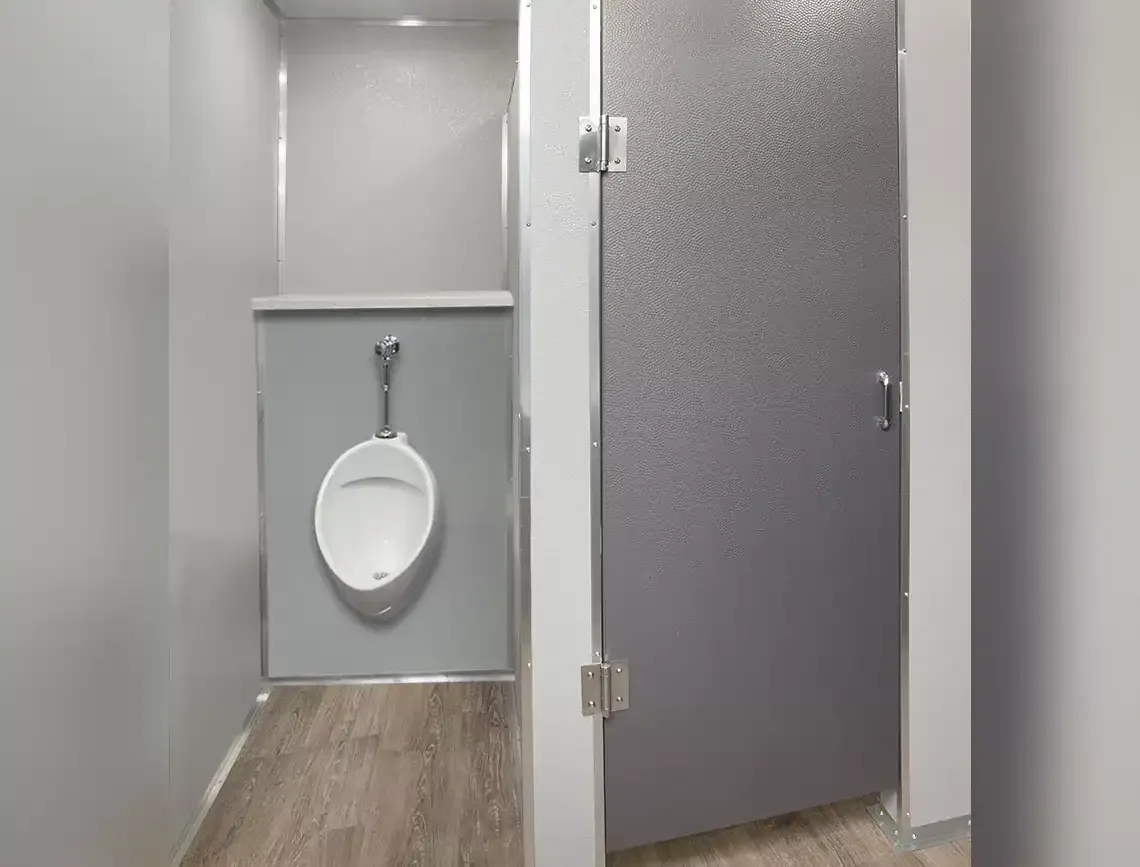
Self-contained restroom trailers provide the quality facilities disaster situations demand. Unlike basic portable toilets, restroom trailers offer running water, flushing toilets, climate control, and proper lighting—features that matter significantly when facilities serve as primary sanitation for days or weeks.
The psychological impact of quality facilities shouldn’t be overlooked. Disasters create enormous stress. Having access to clean, comfortable restroom facilities provides a small but meaningful element of normalcy that supports mental health during crisis situations.
Shelter Operations
Emergency shelters often become home for hundreds of displaced residents. These facilities require sanitation capacity far exceeding what most buildings provide as permanent fixtures. Whether operating in schools, churches, community centers, or other facilities, shelter managers must supplement existing restrooms with portable facilities.
Multi-station restroom trailers efficiently serve large shelter populations. Position units to provide convenient access from sleeping and common areas while maintaining appropriate privacy. Consider traffic patterns during peak usage times like morning wake-up and evening settling.
Shelter populations often include vulnerable individuals—elderly residents, people with disabilities, families with young children. Facility planning must account for these diverse needs, including accessible facilities for those requiring them.
Accessibility During Disasters
Disaster response must serve all community members, including those with disabilities. Our ADA-compliant restroom trailers meet federal accessibility requirements and ensure emergency facilities don’t create barriers for people with mobility limitations or other disabilities.
Shelters and distribution points often serve disproportionate numbers of people with disabilities, as these residents may have fewer resources for independent evacuation or recovery. Adequate accessible facilities must be a planning priority, not an afterthought.
Ensure accessible units are positioned on level ground with clear pathways. Disaster conditions can make terrain challenging—mud, debris, uneven surfaces. Maintain accessible routes even as conditions change during the response.
Response Worker Support
Disaster response brings together diverse workforces—local emergency personnel, mutual aid teams from other jurisdictions, state and federal responders, utility crews, debris removal contractors, and volunteers from various organizations. All need sanitation facilities at staging areas and work locations.
Staging areas where response teams assemble and coordinate operations require facility capacity matching workforce size. As response operations scale up or down, facility capacity should adjust accordingly.
Work crews operating in the field—clearing debris, restoring utilities, conducting damage assessments—need access to facilities near their work locations. Mobile deployment strategies position facilities where workers need them as operations progress through affected areas.
Distribution Points and Service Centers
Points of distribution (PODs) where residents receive water, ice, food, and supplies create concentrated demand for facilities. Long lines during distribution mean extended waits—and people waiting need restroom access. Both distribution workers and community members being served require facilities.
Disaster recovery centers providing FEMA assistance, insurance services, and other recovery resources operate for extended periods after disasters. These facilities serve steady streams of community members throughout their operation, requiring reliable facility capacity.
Position facilities at distribution and service locations for convenient access without interfering with operations. Consider separate facilities for workers and public if volumes warrant.
Healthcare and Medical Facility Support
Medical facilities—field hospitals, vaccination sites, medical shelters for special needs populations—have distinct sanitation requirements. Higher cleanliness standards, more frequent service, and specific configurations may be necessary to support healthcare operations.
Medical shelters serving individuals with medical dependencies require careful facility planning. These populations may have higher utilization rates or need facilities with specific features. Coordinate with medical staff to understand requirements.
Vaccination or testing sites processing large numbers of people need efficient facility access that doesn’t create bottlenecks in the overall operation flow.
Power and Infrastructure Independence
Disasters typically damage power and water infrastructure. Restroom facilities must operate independently of utilities that may be unavailable for days or weeks. Self-contained units with onboard water, waste containment, and generator power provide this independence.
Generator fuel becomes a critical supply chain consideration. Plan fuel delivery logistics as part of overall facility management. Without fuel, even the best equipment becomes unusable when generators run dry.
Water delivery for facility refilling must be coordinated alongside other disaster logistics. Establish water sources and delivery schedules that keep facilities operational throughout the response period.
Service During Disaster Conditions
Regular facility servicing becomes challenging during disaster conditions. Roads may be damaged or blocked. Service crews may face their own displacement or resource constraints. Plan for extended service intervals during the immediate aftermath, sizing facilities with extra capacity for these longer periods.
Priority service during emergencies must focus on the most critical locations first. Understand how your provider will prioritize service when normal operations aren’t possible. Medical facilities and shelters typically receive priority attention.
As conditions normalize, service can transition to regular schedules. Build this transition into your planning so facility quality improves as the situation stabilizes.
Coordination and Communication
Effective disaster sanitation requires coordination across organizations. Emergency management agencies, voluntary organizations, private contractors, and government entities all play roles. Clear communication ensures facilities go where they’re needed most.
Pre-established relationships simplify disaster response. Knowing your facility provider’s capabilities, having contacts for emergency requests, and understanding ordering procedures before disasters occur speeds response when events happen.
Documentation of facility deployments supports FEMA cost recovery and other reimbursement programs. Maintain records of locations, dates, and costs for all disaster-related facility deployments.
Planning Before Disasters Strike
The best disaster sanitation response begins before disasters occur. Emergency managers, voluntary organizations, and community leaders should incorporate sanitation planning into broader preparedness efforts.
Identify potential facility deployment locations—shelters, staging areas, distribution points—and understand their requirements. Pre-position resources or establish contracts that ensure availability when events occur.
Regular training and exercises that include sanitation logistics help organizations respond more effectively when real disasters occur.
Supporting Texas Community Recovery
Quality sanitation facilities contribute to effective disaster response by maintaining health, supporting dignity, and enabling sustained operations. Communities that plan ahead for disaster sanitation recover faster and serve their residents better during difficult times.
We work with Texas communities, emergency management agencies, and voluntary organizations to develop disaster sanitation plans and respond when events occur. Our experience serving emergency operations has built the capabilities and protocols necessary for effective disaster support.
Ready to discuss disaster preparedness planning or response needs? Contact us today to develop sanitation solutions for your community’s emergency plans.