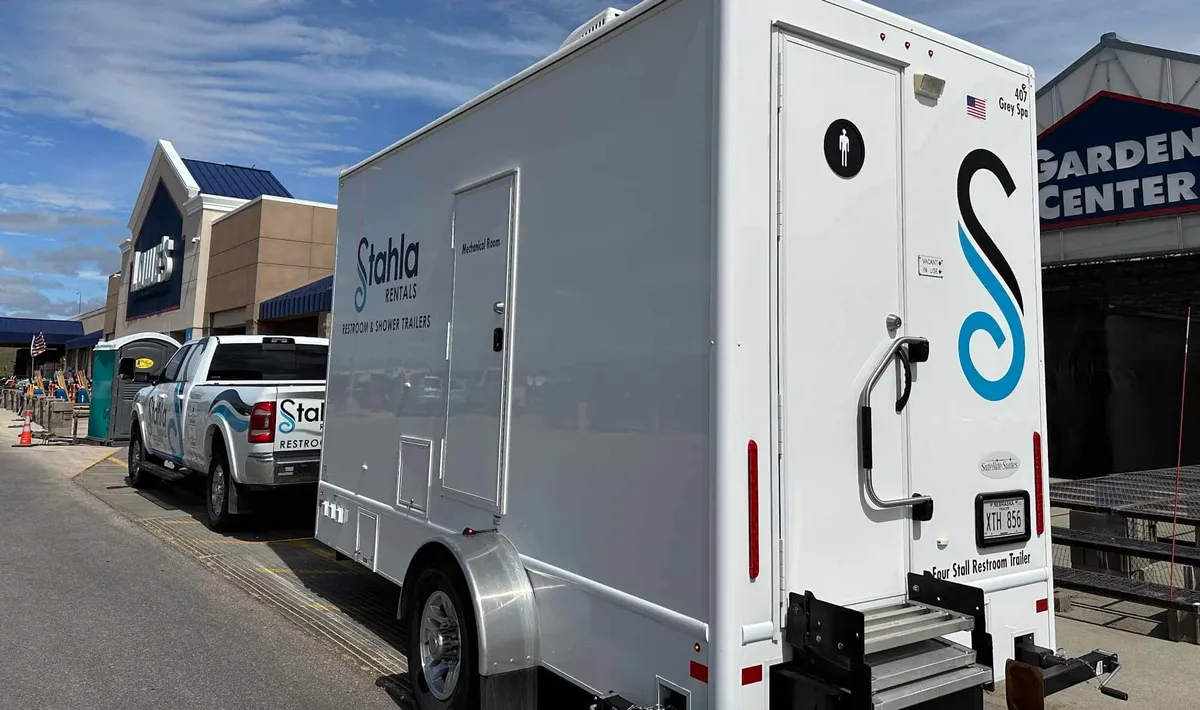
Large weddings at private estates create unforgettable celebrations. Whether you’re hosting 250 guests at a family ranch outside Dallas or planning a 400-person celebration at a Hill Country estate, these venues offer space and privacy that traditional wedding venues can’t match. But accommodating large guest counts requires infrastructure planning that goes far beyond what the estate’s permanent facilities can handle.
Restroom facilities become a critical consideration as guest counts climb. What works for a 100-person wedding becomes woefully inadequate at 300. Understanding how to scale restroom capacity ensures your large estate wedding runs smoothly from the first guest’s arrival to the final farewell.
The Scale of Large Estate Weddings
Estate weddings in Texas frequently exceed guest counts possible at traditional venues. Private properties offer the space for grand celebrations that hotels and event centers simply can’t accommodate—or charge premium prices to host.
Large estate weddings typically fall into these categories:
200-300 guests: A substantial celebration that requires careful planning but remains manageable with proper infrastructure. Most estate properties need significant supplemental restroom facilities at this scale.
300-400 guests: Events at this scale rival small festivals. Infrastructure requirements increase dramatically. Restroom planning becomes as important as catering logistics.
400+ guests: The largest estate weddings function as major events requiring professional event management and comprehensive infrastructure solutions. Restroom capacity planning requires detailed analysis and substantial investment.
At these scales, the “one restroom per 35 guests” rule that works for smaller events becomes dangerously inadequate. Peak demand periods during cocktail hour and between reception activities can create unacceptable wait times without proper planning.
Why Estate Facilities Fall Short
Even impressive private estates weren’t designed for wedding-scale crowds. Understanding the gap between existing facilities and event needs helps you plan effectively.
Residential plumbing limitations: Estate homes, regardless of size, have plumbing systems designed for residential use. A main house with four bathrooms might serve the family beautifully but creates bottlenecks with 50 guests—let alone 300.
Septic system capacity: Rural estates typically rely on septic systems rather than municipal sewage. These systems have daily capacity limits that large events can exceed, risking system failure at the worst possible moment.
Geographic spread: Large estate properties may have event areas spread across acres. Even adequate total restroom capacity becomes problematic if facilities cluster in one location while guests spread across the property.
Access during events: Using the main house’s restrooms during a wedding often creates traffic through areas you’d prefer to keep private. Guests wandering through personal spaces looking for bathrooms disrupts both the event and family privacy.
Calculating Capacity for Large Guest Counts
Large events require more aggressive restroom planning than smaller gatherings. Peak demand periods create surge usage that averages don’t capture.
For large estate weddings, plan one restroom station per 20-25 guests. This accounts for:
- Extended event duration (often 6+ hours for large celebrations)
- Open bar service that increases restroom usage
- Peak demand during transitions between event phases
- Buffer capacity for unexpected situations
Capacity calculations by guest count:
200 guests: Minimum 8-10 restroom stations (typically two 4-6 station restroom trailers)
250 guests: Minimum 10-12 restroom stations (consider three 4-station trailers or two larger units)
300 guests: Minimum 12-15 restroom stations (multiple trailer configuration essential)
350+ guests: Minimum 15-18 restroom stations (comprehensive multi-trailer planning required)
400+ guests: 18-20+ restroom stations with strategic placement across the property
These numbers may seem aggressive, but understaffing restroom capacity at a large event creates memorable problems—and not the kind you want your guests to remember.
Strategic Placement Across Large Properties
Large estate properties require distributed restroom placement rather than single-location concentration. Guests shouldn’t walk more than 2-3 minutes to reach facilities from any event area.
Reception area cluster: Position the largest concentration of restrooms near the main reception area where guests spend the most time. This typically means 60-70% of your total capacity within easy walking distance of the reception tent or building.
Ceremony site facilities: If your ceremony location is separate from the reception, position at least 2-4 restroom stations nearby. Guests will use facilities before the ceremony begins, and you don’t want long walks that delay the processional.
Cocktail hour location: Events with separate cocktail areas need restroom access at that location. Guests consume drinks during cocktail hour and will need facilities—don’t make them walk back to the ceremony area or forward to reception.
Vendor and staff facilities: Large events have large vendor teams—caterers, photographers, musicians, coordinators. Consider designating specific facilities for vendor use to keep guest facilities available for guests.
Traffic Flow and Wait Time Management
At large events, restroom traffic management becomes as important as capacity. Understanding usage patterns helps optimize your setup.
Peak demand periods: Restroom usage spikes dramatically at predictable moments—immediately after the ceremony, during cocktail hour, and during band breaks or event transitions. Your capacity must handle these peaks, not just average demand.
Gender distribution: Women use restroom facilities more frequently and for longer duration than men. If your guest list skews female, increase capacity accordingly. Many couples order additional women’s stations for large events.
Traffic routing: Work with your event coordinator to plan traffic flow. Signage directing guests to the nearest facilities prevents everyone heading to the same location. Clear wayfinding reduces confusion and distributes usage.
Queue management: For the largest events, some couples position staff near restroom areas during peak periods to direct traffic and ensure smooth flow. This level of management helps prevent bottlenecks.
Luxury vs. Standard Trailers for Large Events
Large estate weddings often involve substantial budgets and high guest expectations. Your restroom facilities should match the event’s overall quality level.
Luxury trailers for high-end events: For estate weddings with premium catering, designer decor, and high-profile guest lists, luxury restroom trailers maintain the experience. Features like granite countertops, wood finishes, and designer fixtures create facilities that feel appropriate for an upscale celebration.
Mixed configuration approach: Many large events use luxury trailers in high-visibility locations near the main reception while positioning standard trailers in secondary locations. This balances budget with guest experience.
Standard trailers for capacity priority: When guest count demands maximum capacity within budget constraints, standard trailers deliver clean, functional facilities that serve guests appropriately. These units are well-maintained and climate-controlled—just without premium finishes.
For most large estate weddings, a combination approach works well: one or two luxury units near the main event area with additional standard units positioned elsewhere on the property.
ADA Accessibility at Large Events
Accessibility requirements scale with guest count. Large weddings statistically include more guests with mobility considerations—elderly relatives, pregnant attendees, and those with temporary or permanent disabilities.
ADA-compliant restroom trailers provide accessible facilities with ramp access, grab bars, wider doorways, and adequate maneuvering space. For large estate weddings, include multiple accessible units positioned strategically:
- At least one accessible unit near the ceremony area
- At least one accessible unit at the reception location
- Additional accessible units for events exceeding 300 guests
- Accessible pathways connecting event areas to restroom facilities
Estate terrain often presents accessibility challenges beyond the restrooms themselves. Work with your rental provider and event coordinator to ensure accessible routes from parking to event areas to restroom facilities.
Power and Infrastructure for Multiple Trailers
Multiple restroom trailers require infrastructure coordination that single-unit rentals don’t demand.
Generator capacity: Self-contained trailers include their own power generation, but multiple units in proximity may need coordination to prevent noise issues and ensure fuel availability. Confirm generator specifications with your rental provider.
Water supply: Each trailer operates on its own fresh water tank. For large events with high usage, discuss mid-event water replenishment if needed. Quality rental companies monitor usage and can arrange service.
Waste management: Trailer waste tanks have capacity limits. Extended events with high usage may approach these limits. Your rental company should discuss waste capacity and any mid-event servicing that might be required.
Delivery coordination: Multiple trailers mean multiple delivery and pickup operations. Coordinate timing with your venue and rental provider to ensure all units are positioned and operational before vendor load-in begins.
Budgeting for Large Event Restroom Needs
Restroom costs for large estate weddings scale with guest count but typically represent a small percentage of overall event spending. Plan for these general ranges:
200-guest event: $2,000-4,000 for appropriate restroom capacity (two trailers)
300-guest event: $3,500-6,000 for comprehensive coverage (three trailers)
400+ guest event: $5,000-10,000+ depending on configuration and luxury level
Delivery fees: $200-500 per trailer depending on location and access requirements
These costs seem significant in isolation but represent roughly 2-5% of typical large estate wedding budgets. Compared to catering ($30,000-75,000+), venues ($10,000-50,000), and decor ($10,000-30,000), restroom facilities offer excellent return on investment in guest comfort.
Coordination with Event Team
Large estate weddings involve substantial vendor teams. Your restroom planning must integrate with overall event coordination.
Event planner coordination: Share restroom plans with your event planner early. They can incorporate facility locations into guest flow planning and timeline development.
Caterer awareness: Caterers need to know restroom locations for their staff. Large catering teams have their own facility needs that shouldn’t compete with guest capacity.
Rental company integration: Your tent company, furniture rentals, and restroom trailers all need delivery and setup access. Coordinate schedules to prevent conflicts and ensure adequate setup time.
Venue owner communication: Estate owners need to understand your restroom plans, including delivery routes, placement locations, and any ground protection requirements. Their cooperation ensures smooth execution.
Timeline for Large Event Planning
Large estate weddings require earlier booking than typical events. Competition for quality trailers increases during peak wedding season, and large events need multiple units.
6-8 months before: Begin discussions with restroom rental providers. Get quotes for various configurations and discuss property logistics.
4-6 months before: Book your trailers. Large events requiring multiple units should lock in reservations early to ensure availability.
2-3 months before: Finalize placement plans with your event coordinator and rental company. Conduct site visits if needed to confirm access and positioning.
2 weeks before: Confirm all delivery and pickup logistics. Review your event timeline with the rental company.
1-2 days before: Trailers delivered and positioned. Allow time for setup confirmation and any adjustments needed.
Planning Your Large Estate Wedding Restrooms
Large estate weddings create memorable celebrations that smaller venues can’t accommodate. But that scale demands infrastructure planning that matches the event’s ambition. Restroom facilities deserve the same attention you give to catering, music, and decor.
Start planning early, calculate capacity conservatively, and distribute facilities strategically across your property. Your guests will appreciate the seamless experience—even if they never consciously notice the planning that made it possible.
Planning a large estate wedding in Texas? Request a quote with your guest count and property details. We’ll help you develop a restroom solution that matches your celebration’s scale and quality.