Food festivals have become central to Texas’s culinary culture. From massive events like Taste of Texas in Houston to local taco festivals, barbecue cookoffs, and cultural food celebrations, these events draw crowds eager to eat, drink, and explore. But food festivals create unique restroom challenges that other events don’t face—higher usage rates, specific timing patterns, and the inevitable consequences of encouraging attendees to consume as much as possible.
Understanding these unique demands helps food festival organizers plan restroom facilities that keep guests comfortable throughout events centered on consumption.
Why Food Festivals Are Different
Food festivals create restroom usage patterns distinct from other events:
Higher per-capita usage: Eating and drinking throughout the event means more frequent restroom visits per attendee than typical outdoor gatherings. Where a concert attendee might average 2-3 restroom visits over four hours, food festival attendees often average 4-6 visits during the same period.
Beverage-driven demand: Food festivals typically feature substantial beverage components—beer tastings, wine pairings, craft cocktails, or simply unlimited lemonade on hot days. Alcohol consumption significantly increases restroom frequency.
Continuous grazing pattern: Unlike events with defined meal times, food festivals encourage continuous eating throughout operating hours. This creates steady restroom demand without the sharp peaks and valleys seen at events with structured schedules.
Hand washing emphasis: Food handling and consumption make hand washing more important—and more frequent—than at other events. Facilities need adequate sink capacity, not just toilet capacity.
Calculating Food Festival Capacity
Standard event capacity formulas underestimate food festival needs. Adjust your calculations accordingly:
Base ratio: Plan for one restroom station per 20-25 guests rather than the standard 1:35 ratio used for other events.
Alcohol adjustment: If your festival features substantial alcohol service (beer gardens, wine tastings, cocktail bars), increase capacity by an additional 25-30%.
Duration factor: Events lasting more than four hours need proportionally more capacity as cumulative usage increases.
Practical examples:
- 2,000-attendee food festival without alcohol: 80-100 restroom stations
- 2,000-attendee food and beer festival: 100-130 restroom stations
- 5,000-attendee multi-day food event: 200-250 stations with more aggressive servicing
These numbers may seem aggressive, but inadequate capacity at food festivals creates memorable problems. Guests came to enjoy food; long restroom lines ruin that experience.
Strategic Placement for Food Events
Where you position restroom facilities at food festivals requires specific consideration:
Near Food Vendor Clusters
Position facilities near food vendor concentrations where guests naturally spend time. The correlation between eating and restroom use is direct—put facilities where the food is.
Near Beverage Areas
Beer gardens, wine tasting areas, and bar sections should have nearby restroom access. Guests consuming alcohol need facilities quickly when the need arises—don’t make them walk across the event grounds.
Away from Food Prep
While facilities should be convenient to food areas, maintain appropriate separation from food preparation and serving areas. Health codes typically require minimum distances between restroom facilities and food handling—confirm requirements with your local health department.
Multiple Distributed Clusters
Spread facilities across multiple locations rather than concentrating in single areas. Food festivals encourage wandering and exploration—guests should find facilities nearby regardless of where they’re eating.
Hand Washing Considerations
Food festivals require more hand washing capacity than typical events:
Sink-to-toilet ratios: Standard portable toilets with hand sanitizer may not satisfy guests’ desire to wash hands properly before and after eating. Consider facilities with running water sinks.
Standalone hand wash stations: Supplement restroom facilities with dedicated hand wash stations positioned throughout food areas. These serve guests who want to wash hands without waiting for full restroom access.
Quality supplies: Stock adequate soap and paper towels. Hand sanitizer alone may not satisfy guests who’ve been handling food throughout the day.
VIP and Premium Areas
Many food festivals feature tiered ticket options with premium experiences:
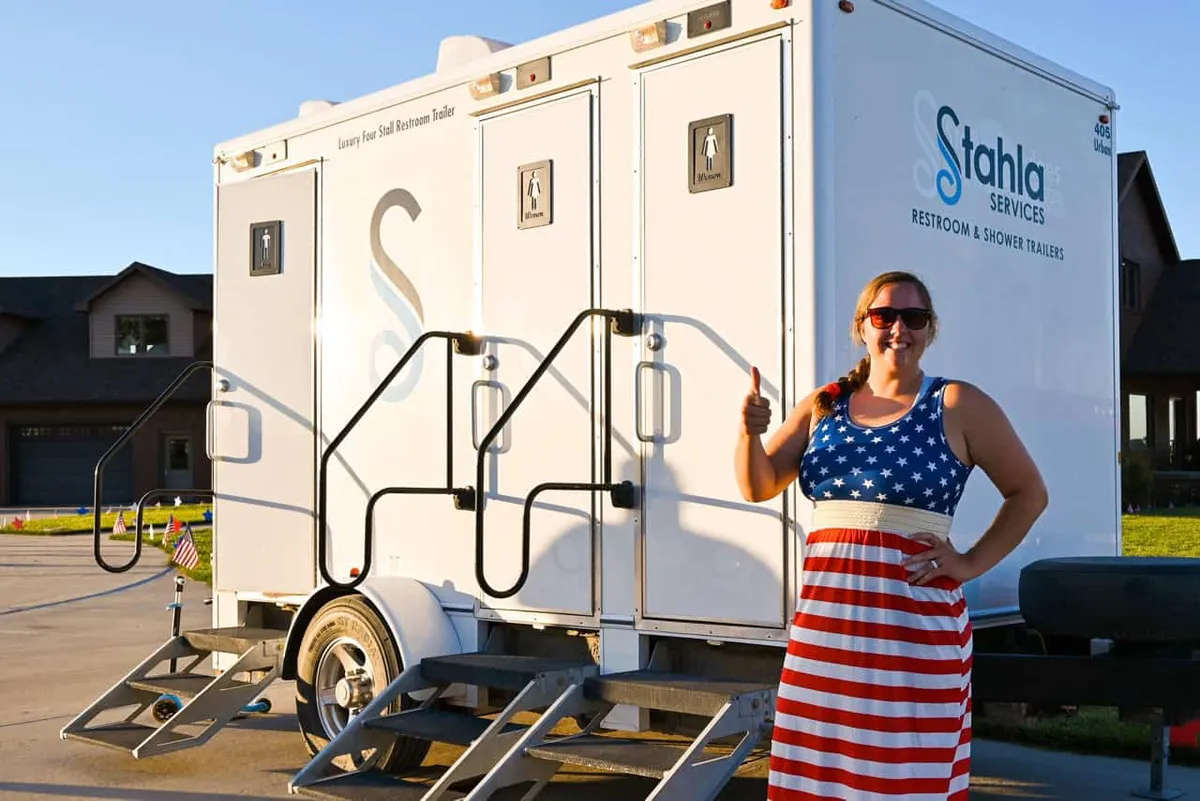
VIP tasting areas: Premium ticket holders paying for elevated food experiences expect correspondingly better facilities. Position restroom trailers with climate control, running water, and quality finishes in VIP zones.
Chef and vendor areas: Chefs and food vendors working long hours need dedicated facilities separate from public restrooms. Don’t force vendors to leave their stations and wait in general admission lines.
Sponsor hospitality: Corporate sponsors hosting hospitality areas need premium facilities that reflect well on their brands.
Weather and Texas Heat
Texas food festivals span all seasons, but many occur during warmer months when outdoor eating is pleasant. Heat creates additional considerations:
Increased hydration: Hot weather plus food consumption means more beverages consumed and more restroom visits. Plan additional capacity for summer events.
Climate control value: Climate-controlled restroom trailers provide welcome relief during hot events. Guests appreciate the cool break, which may slightly extend visit duration but significantly improves satisfaction.
Standard unit considerations: Non-climate-controlled portable units become uncomfortable quickly in Texas heat. More frequent servicing helps, but heat remains an issue. Position standard units in shade when possible.
Service Schedules for Food Events
Food festival restrooms need more aggressive servicing than typical events:
Pumping frequency: High per-capita usage fills waste tanks faster. Plan for pumping at least twice during full-day food festivals, potentially more for larger events.
Supply consumption: Toilet paper, soap, and paper towels deplete faster when guests wash hands frequently. Monitor supplies continuously and restock proactively.
Cleaning rotations: Food-related spills and messes require more frequent cleaning attention. High-traffic units may need cleaning every 30-45 minutes during peak periods.
Health Department Considerations
Food events face health department oversight that affects restroom planning:
Minimum requirements: Health codes specify restroom ratios for events serving food. These minimums may exceed what you’d plan for non-food events of similar size.
Hand washing requirements: Many jurisdictions require specific hand washing facilities at food events, separate from general restroom access.
Distance from food: Regulations typically require minimum distances between restroom facilities and food preparation or serving areas.
Documentation: Some health departments require restroom plans as part of food event permit applications. Plan early to include facility details in your permitting process.
Accessibility at Food Festivals
ADA-accessible facilities are essential at any public event. Food festivals present additional accessibility considerations:
- Accessible routes to restrooms that accommodate wheelchair users carrying food or beverages
- Adequate accessible capacity near food and beverage areas—not just at event perimeters
- Clear wayfinding that’s visible over crowd traffic
- Companion access for caregivers assisting guests with disabilities
Types of Texas Food Festivals
Different food festival formats create different planning needs:
Tasting festivals: Events featuring multiple small samples from numerous vendors. High vendor counts mean distributed food consumption requiring distributed facilities.
Competition events: BBQ cookoffs, chili competitions, and similar events combine spectator crowds with competitor needs. Competitors working long hours near their cooking stations need convenient dedicated facilities.
Cultural food festivals: Events celebrating specific cuisines—Tex-Mex, Vietnamese, Ethiopian, etc.—may have community-specific considerations to understand.
Beer and wine festivals: Events centered on alcohol consumption require maximum restroom capacity and strict attention to placement near drinking areas.
Market-style events: Farmers markets and food halls with multiple vendors in covered or semi-covered spaces need facilities integrated with the market layout.
Budget Planning
Food festival restroom costs reflect higher capacity needs:
Standard portable units: $75-150 per unit for multi-day festivals with servicing
Enhanced units with hand wash: $150-250 per unit
Restroom trailers: $500-2,000 depending on size and luxury level
Standalone hand wash stations: $75-150 per station
Service charges: Additional pumping and cleaning beyond standard schedules adds cost
Budget 15-25% more for restroom facilities at food festivals compared to non-food events of similar size. The investment prevents the negative experience that inadequate facilities create.
Planning Your Food Festival Restrooms
Food festivals celebrate Texas’s culinary culture and bring communities together around shared eating experiences. Restroom facilities that match the festival’s appetite for consumption ensure guests focus on the food, not the facilities.
Plan for higher usage than other events, distribute facilities throughout food and beverage areas, emphasize hand washing, and budget for aggressive servicing. Your guests will appreciate the comfort—even if they’re too busy eating to mention it.
Planning a food festival in Texas? Request a quote with details about your expected attendance, event format, and alcohol service plans. We’ll help you develop a restroom strategy that keeps pace with your guests’ appetites.