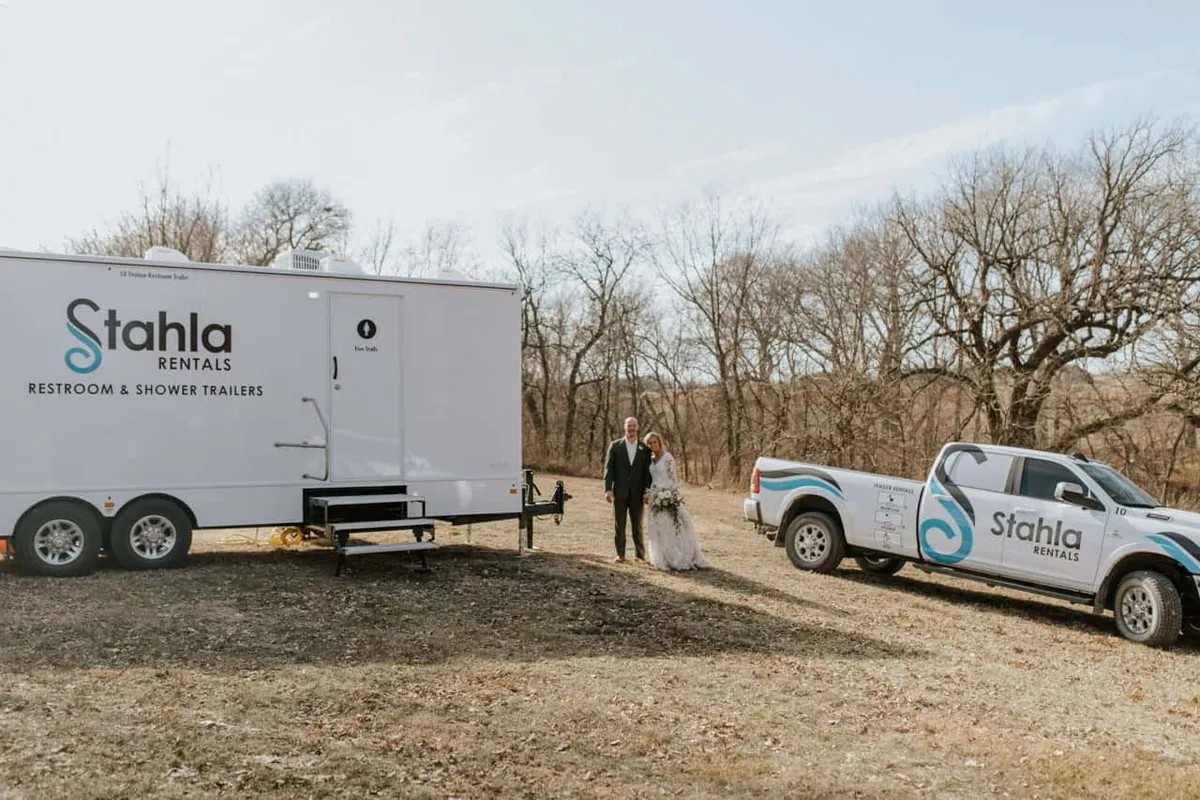
Garden weddings showcase nature’s beauty as your backdrop. Lush landscaping, flowering beds, and manicured lawns create settings that indoor venues simply can’t match. But that natural beauty presents a practical challenge: where do you put restroom facilities without disrupting the aesthetic you’ve worked so hard to create?
Strategic restroom trailer placement at garden venues requires balancing guest convenience with visual discretion. Get it right, and guests find clean, comfortable facilities when needed without ever noticing them as a visual element. Get it wrong, and restroom trailers become an eyesore that detracts from your carefully curated garden setting.
Understanding Garden Venue Layouts
Garden wedding venues in Texas range from intimate private gardens to expansive botanical properties. Each layout type presents different placement opportunities and challenges.
Private residential gardens: Home gardens typically have clear service areas—driveways, side yards, or back corners—that naturally separate from the main garden display. These service zones often provide ideal restroom trailer locations with easy delivery access.
Botanical gardens and arboretums: Public botanical venues usually have established infrastructure including service roads and designated event support areas. Work with venue staff to identify approved placement locations that don’t damage plantings or obstruct garden views.
Estate gardens: Large estate properties may have multiple garden “rooms” or areas with distinct characters. Restroom trailers can often tuck into transition zones between garden areas where they serve guests from multiple spaces.
Courtyard gardens: Urban courtyard gardens present the most constrained options. Limited space may require creative solutions like positioning trailers just outside the garden proper with clear pathways connecting to event areas.
The Invisibility Principle
The goal for garden wedding restroom placement is simple: invisible until needed, obvious when sought. Guests shouldn’t notice restroom trailers while admiring flowers or watching the ceremony. But when someone needs to find facilities, they shouldn’t struggle.
This balance requires attention to several factors:
Sightline analysis: Walk through your garden venue from every major vantage point—ceremony seating, reception tables, entry areas, photo locations. Identify what guests will see from each position. Place trailers where natural features or structures block direct sightlines.
Natural screening: Existing hedges, garden walls, pergolas, or mature plantings often create natural screens. Position trailers behind these features to take advantage of built-in concealment.
Added screening: When natural options fall short, temporary screening elements can supplement. Lattice panels, fabric draping, or temporary hedge walls can create visual barriers between event areas and restroom locations.
Distance calibration: Too close to event areas and trailers become visually intrusive. Too far and guests face inconvenient walks. For most garden venues, 75-150 feet from primary event areas provides good balance.
Common Placement Options at Garden Venues
Several placement strategies work well for Texas garden weddings. Consider which options your specific venue supports.
Behind the main house or structure: Most garden venues center around a house or building. The service side of this structure—typically the side opposite the primary garden views—often provides excellent trailer placement with natural concealment.
In parking or service areas: Driveways and parking zones exist outside the ornamental garden space. Placing trailers here keeps them clear of garden views while maintaining easy delivery access. Guests naturally pass through these areas anyway.
Behind outbuildings: Garden sheds, pool houses, or other outbuildings create natural screening. Tucking trailers behind these structures hides them from main event sightlines.
Along fence lines or garden borders: Mature hedge rows or fencing at garden perimeters can screen trailers positioned just outside ornamental areas. This keeps facilities close without intruding on garden aesthetics.
In transitional zones: Areas between formal garden spaces and utility areas often work well. These transitional zones provide logical restroom locations that feel neither intrusive nor inconvenient.
Protecting Garden Surfaces
Garden venues feature surfaces that require protection—lawns, paths, and beds that can’t tolerate heavy equipment or concentrated foot traffic.
Lawn protection: Restroom trailers are heavy, and delivery trucks heavier still. Driving across manicured lawns causes damage that takes weeks to repair. Always use existing roads or driveways for delivery, and position trailers on surfaces that can handle the weight.
Pathway considerations: Guest traffic to and from restrooms concentrates wear. If routing guests across grass, consider temporary pathway materials to distribute impact and prevent worn tracks through the lawn.
Ground protection under trailers: Even stationary trailers can damage underlying grass over a weekend rental. Ask your rental provider about ground protection options that prevent lasting marks.
Root zone protection: Avoid positioning trailers or routing heavy traffic near the drip lines of specimen trees. Compacted soil damages root systems, potentially harming valuable mature plantings.
Creating Attractive Restroom Approaches
The path to restroom facilities becomes part of your garden wedding experience. Thoughtful approach design transforms a utilitarian walk into an extension of your event aesthetic.
Pathway definition: Create clear paths using materials that complement your garden setting—gravel, pavers, or temporary runners that read as intentional rather than improvised.
Lighting: Evening garden weddings need illuminated restroom approaches. Solar path lights, lanterns, or string lights provide safe navigation while adding romantic ambiance.
Signage: Directional signs in styles matching your wedding aesthetic guide guests without jarring industrial-looking markers. Chalkboard signs, wood plaques, or elegant printed signs work better than generic arrows.
Entry area decoration: The immediate area around restroom trailers benefits from intentional decoration—potted plants, flower arrangements, or garden-themed accents that integrate facilities with the overall venue aesthetic.
Working with Garden Venue Requirements
Botanical gardens and formal garden venues often have specific requirements for vendor equipment. Understand these before finalizing plans.
Designated placement areas: Many garden venues specify approved areas for restroom trailer placement. These locations balance guest convenience with garden protection—trust venue experience in making these determinations.
Access restrictions: Some garden venues limit delivery vehicle size or specify particular entry routes to protect gates, bridges, or narrow paths. Confirm these restrictions with your rental provider early.
Timing requirements: Garden venues may restrict delivery and pickup timing to avoid conflicts with public visiting hours or other events. Build these constraints into your timeline planning.
Ground protection requirements: Some venues require specific ground protection under trailers or along delivery routes. Your rental provider should be able to supply whatever materials the venue specifies.
Accessibility in Garden Settings
Garden terrain creates accessibility challenges beyond typical venues. Gravel paths, uneven surfaces, and distance from parking all affect guests with mobility limitations.
ADA-compliant restroom trailers address facility accessibility, but the approach matters too. Ensure accessible routes connect parking to event areas to restrooms. This may require temporary pathway improvements that accommodate wheelchairs and mobility devices.
Position accessible restroom facilities along the most direct, level routes available. Don’t assume guests with mobility needs can navigate the charming but uneven stone paths that add character to many garden venues.
Weather Considerations for Garden Venues
Texas weather affects garden wedding restroom planning in several ways.
Rain preparation: Garden venues can become muddy quickly during Texas spring storms. Position trailers on well-drained areas, and have pathway solutions ready if conditions deteriorate.
Sun exposure: Trailers in full sun become uncomfortably hot, even with climate control working hard. When possible, position in areas with afternoon shade to reduce cooling load and maintain comfort.
Wind awareness: Open garden areas experience more wind than sheltered indoor venues. Ensure trailer setup includes proper stabilization, and consider wind direction when positioning near event areas.
Seasonal considerations: Spring blooms may dictate which garden areas serve as ceremony or reception spaces. This affects restroom placement options—coordinate with venue staff about what will be in peak display during your event date.
Capacity Planning for Garden Weddings
Garden venues rarely have permanent restroom facilities adequate for wedding guest counts. Plan for complete reliance on portable facilities.
Standard capacity guidelines apply: one restroom station per 25-35 guests for a 4-hour event. For garden weddings specifically, consider that guests may take longer walks to reach facilities, which spreads out usage naturally. However, hot weather increases usage frequency, potentially offsetting this effect.
For intimate garden weddings (50-75 guests), a single 2-station luxury trailer often suffices. Larger celebrations need proportionally more capacity—possibly multiple trailer units positioned at different garden locations.
Budget Considerations
Garden wedding restroom costs follow standard rental pricing with potential additions for venue-specific requirements:
Trailer rental: $500-1,500 depending on size and luxury level for a weekend rental.
Delivery fees: $100-300 for standard delivery; potentially higher if venue access presents challenges.
Ground protection: $100-400 if venue requires protective materials.
Screening elements: $150-500 for lattice panels, fabric, or other concealment options if needed.
Pathway materials: $100-300 for temporary path runners or stepping stones.
Total restroom costs for garden weddings typically range from $700-2,500 depending on guest count and specific venue requirements—a modest investment for maintaining your carefully created garden aesthetic.
Coordinating with Your Planning Team
Garden wedding restroom placement touches multiple vendors and planning elements. Coordinate early with:
- Venue management for placement approval and access scheduling
- Event planners for integration with overall layout and guest flow
- Photographers to ensure trailers don’t appear in key photo locations
- Caterers who may need separate vendor restroom access
- Rental companies handling tents, furniture, and other equipment that share delivery access
Your Garden Wedding Restroom Strategy
Garden weddings demand thoughtful restroom planning that respects the natural beauty you’ve chosen as your setting. Strategic placement, appropriate screening, and attractive approaches transform a practical necessity into an invisible amenity.
Start placement planning early, work closely with your venue, and don’t underestimate the value of proper concealment. Your guests will appreciate comfortable, accessible facilities—even if they never consciously notice the careful planning that put them there.
Planning a garden wedding in Texas? Request a quote with details about your venue and we’ll help you develop a restroom solution that complements your garden setting.