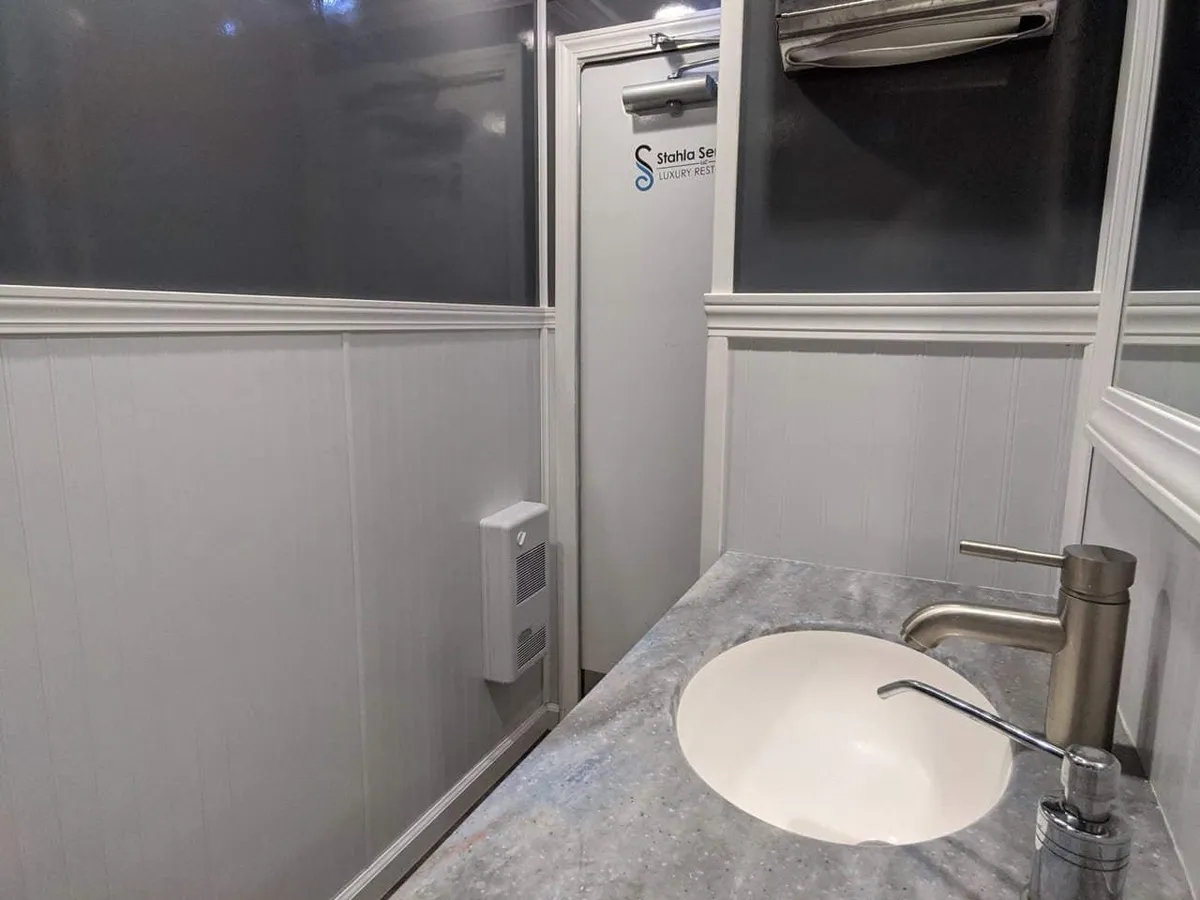
Hurricane season brings unique challenges to Texas coastal communities each year. From June through November, the Gulf Coast faces potential storms that can devastate infrastructure and displace thousands of residents. Emergency managers, municipal leaders, and disaster response organizations must plan ahead to ensure basic services—including sanitation—remain available when regular facilities become unavailable. Understanding how restroom trailer resources fit into hurricane preparedness helps communities respond more effectively when storms strike.
Understanding Texas Hurricane Vulnerability
Texas has experienced some of the most destructive hurricanes in American history. Hurricane Harvey in 2017 demonstrated how catastrophic flooding can overwhelm entire metropolitan areas. Hurricane Ike in 2008 caused widespread devastation across the Galveston-Houston corridor. These events remind us that hurricane preparedness isn’t theoretical—it’s essential planning for inevitable events.
The Texas coast stretches over 350 miles from the Louisiana border to the Rio Grande, with major population centers including Houston, Corpus Christi, Brownsville, and Galveston all within the hurricane impact zone. Millions of Texans live in areas vulnerable to storm surge, flooding, and wind damage.
When hurricanes strike, water and sewer systems often fail. Treatment plants flood, lift stations lose power, and distribution lines break. Even areas without direct storm damage may lose water service due to upstream infrastructure failures. This makes portable sanitation an essential component of hurricane response.
Pre-Season Planning for Emergency Managers
Emergency managers and municipal officials should incorporate restroom trailer resources into hurricane preparedness planning before the season begins. Waiting until a storm approaches severely limits options and dramatically increases costs.
Establish relationships with restroom trailer providers during the off-season. Understand their capacity, response capabilities, and emergency protocols. Pre-negotiated contracts can ensure equipment availability and pricing certainty when events occur.
Identify potential deployment locations in advance—evacuation shelters, community centers, staging areas, and points of distribution. Understanding site requirements, access routes, and facility needs before an emergency allows faster deployment when time matters most.
Evacuation Shelter Requirements
Evacuation shelters host displaced residents who may be away from their homes for days or weeks. These facilities require sanitation capacity that often exceeds what permanent facilities can provide, particularly when shelters operate at maximum capacity.
Self-contained restroom trailers supplement existing shelter facilities and can provide primary sanitation when permanent facilities are damaged or overwhelmed. Multi-station trailers efficiently serve large shelter populations while providing the dignified, private facilities that displaced residents need during difficult circumstances.
Calculate shelter facility needs based on maximum anticipated occupancy. Red Cross guidelines suggest one toilet per 20 shelter residents, but providing higher ratios improves sanitation quality and reduces wait times during peak usage periods.
Accessibility in Emergency Settings
Disaster response must accommodate all community members, including those with disabilities. Our ADA-compliant restroom trailers meet federal accessibility requirements and ensure that emergency facilities serve everyone who needs them.
Evacuation shelters often host higher proportions of individuals with disabilities or mobility limitations than general populations, as these residents may have fewer evacuation options. Plan for adequate accessible facilities at every shelter location.
Position accessible facilities on level ground with clear, maintained pathways from shelter areas. Emergency conditions shouldn’t create barriers to restroom access for anyone in your shelter population.
Response Team and First Responder Support
Hurricane response involves thousands of emergency workers—search and rescue teams, utility crews, medical personnel, National Guard units, and countless others working to restore normalcy. These response teams need sanitation facilities at their staging areas and work locations.
Staging areas where response teams assemble require facilities scaled to the workforce present. These may be pre-positioned before storm landfall or deployed immediately afterward as response operations begin.
Mobile response operations moving through affected areas may need portable facilities that can relocate as work progresses. Understanding your response operation’s mobility requirements helps plan appropriate facility types.
Points of Distribution Facility Needs
Points of distribution (PODs) where residents receive supplies, water, ice, and other necessities require restroom facilities for both workers and community members. Long lines during distribution operations create facility demand that often exceeds initial planning.
Position restroom facilities at POD locations where they’re accessible to residents waiting in line as well as workers staffing the distribution point. Adequate capacity reduces lines and supports efficient operations.
POD locations may operate for extended periods during recovery phases. Service schedules must account for continuous operation and heavy usage throughout the distribution period.
Community Recovery Centers
Disaster recovery centers where residents access FEMA assistance, insurance services, and other recovery resources often operate for weeks or months after a hurricane. These facilities need reliable restroom resources throughout their operational period.
Recovery center facilities serve both the staff operating the center and community members visiting for services. Plan capacity based on anticipated visitor volume, which may be substantial immediately after a disaster and gradually decrease over time.
Long-term rentals for recovery centers benefit from flexible arrangements that allow scaling as needs change during the recovery process.
Power and Self-Sufficiency Considerations
Hurricane aftermath often means widespread power outages lasting days or weeks. Restroom facilities must operate without grid power, relying on generators or battery systems for climate control, lighting, and water systems.
Generator-powered facilities require fuel supply planning. Establish fuel sources and delivery arrangements as part of your emergency logistics. Without fuel, even the best equipment becomes unusable.
Water supply for facilities may also require alternative arrangements when municipal water is unavailable. Self-contained units with onboard water tanks operate independently, with water delivered by tanker as needed.
Deployment Timing and Logistics
Hurricane forecasting provides advance warning that allows pre-positioning of resources. However, equipment must be deployed early enough to reach locations before road conditions deteriorate, while not so early that it sits unused if the storm changes course.
Pre-storm deployment to shelters scheduled to open should occur 12-24 hours before shelter activation, allowing time for setup and testing. Post-storm deployment to damaged areas requires coordination with road-clearing operations to ensure access.
Maintain communication with your facility provider throughout storm events. Conditions change rapidly, and coordination ensures resources reach where they’re needed most.
Service Continuity During Emergencies
Regular facility servicing becomes challenging when road conditions deteriorate and service crews face their own storm impacts. Plan for extended periods between service visits during the immediate aftermath, and size facilities with capacity for these longer intervals.
Priority service during emergencies may need to focus on the most critical locations—shelters and medical facilities—before other deployments. Understand your provider’s emergency service protocols and priorities.
As conditions normalize, service can return to regular schedules. Planning for the transition from emergency to normal operations helps ensure continuous facility availability throughout the response.
Coordination with Emergency Management Networks
Effective hurricane response requires coordination across multiple agencies and organizations. Restroom facilities may be requested through emergency management channels, mutual aid agreements, or direct procurement depending on the situation and resources available.
Understand how restroom resources integrate with broader emergency management systems in your jurisdiction. Some areas use emergency management assistance compacts that facilitate resource sharing across jurisdictions during disasters.
Documentation and tracking of facility deployments supports cost recovery through FEMA and insurance programs. Maintain records of all emergency facility deployments, including locations, dates, and costs.
Building Community Resilience
Communities that plan ahead for hurricane sanitation needs recover faster and provide better support to residents during difficult times. Pre-season planning, established provider relationships, and clear deployment protocols make emergency response more effective.
We work with Texas communities throughout the coastal region to develop hurricane preparedness plans that include reliable sanitation solutions. Our experience serving emergency response operations has developed the capabilities and protocols necessary for effective disaster support.
Ready to discuss hurricane preparedness planning for your community or organization? Contact us today to develop a sanitation response plan before the next storm threatens.