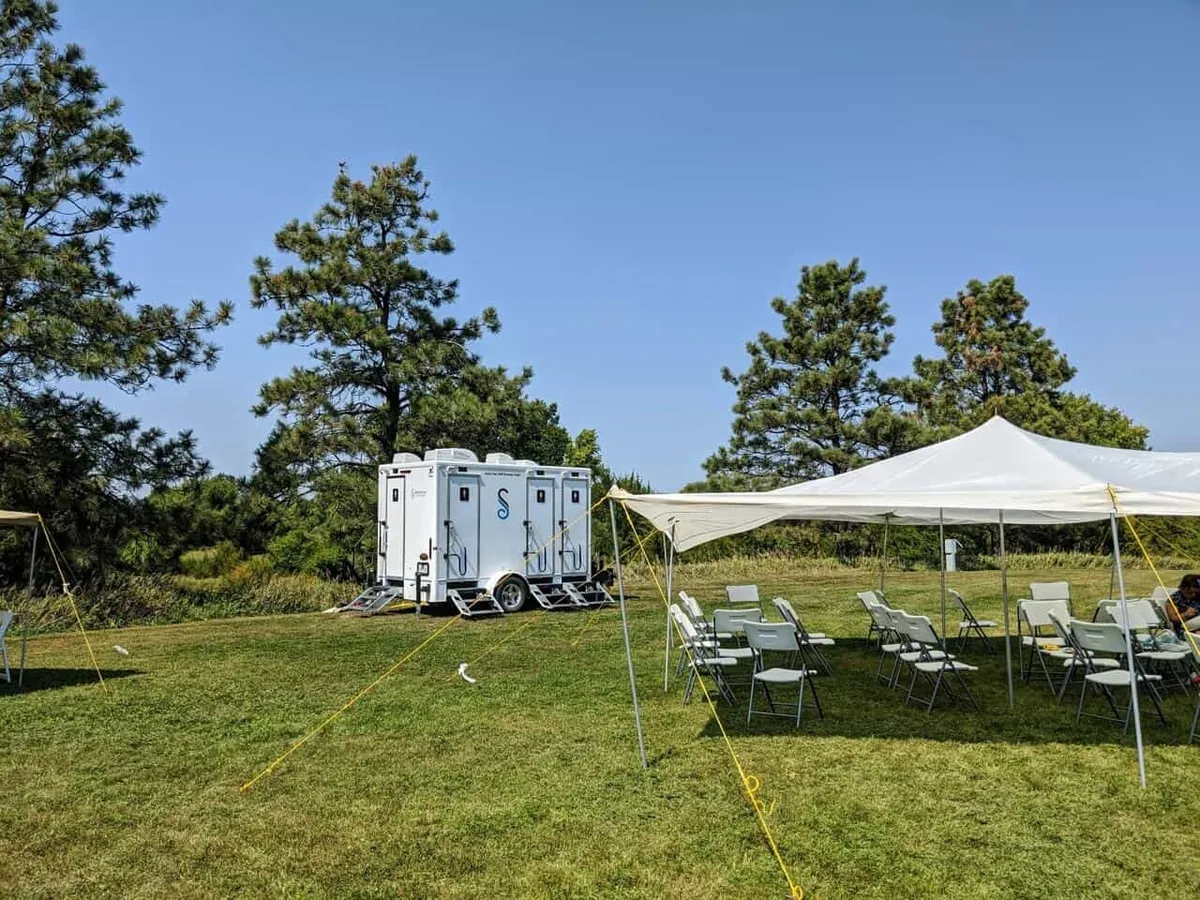
Outdoor concerts define the Texas live music experience. From intimate hill country performances under the stars to massive festivals drawing tens of thousands, our state’s open-air venues host some of the most memorable musical events in the country. Behind every successful outdoor concert is careful logistical planning—and restroom facilities play a larger role than many promoters initially realize.
This guide addresses the specific challenges Texas concert promoters face when planning restroom trailer logistics for outdoor venues. From site assessment to delivery coordination, weather contingencies to waste management, you’ll find practical insights drawn from decades of Texas outdoor event experience.
Site Assessment and Access Planning
Before you can position restroom trailers, you need to understand your site’s capabilities and limitations. Outdoor concert venues vary dramatically—a flat parking lot presents different challenges than a sloped ranch property or a riverside park. Your site assessment directly impacts restroom logistics success.
Ground Conditions and Terrain
Restroom trailers require level ground for proper operation. Toilets don’t flush correctly on significant slopes, doors won’t close properly, and user experience suffers. Walk your site with a critical eye toward potential restroom placement zones, identifying level areas that can accommodate trailer footprints.
Texas soil conditions vary by region. The black clay common in North Texas expands and contracts dramatically with moisture, potentially creating unstable foundations for heavy trailers. Sandy soils in coastal areas may require ground stabilization. Rocky Hill Country terrain might limit placement options. Understand your soil type and plan accordingly.
Ground saturation is particularly important for Texas outdoor events. A site that seems perfect during a dry week can become a muddy disaster after a summer thunderstorm. Identify areas with good drainage and consider temporary ground protection like plywood sheets or interlocking mats for trailer placement zones.
Delivery Access Routes
Restroom trailers arrive on trucks or tow vehicles that need adequate access routes. Consider road width, turning radius, overhead clearances, and weight limits. A beautiful meadow might be perfect for concert seating but impossible to reach with delivery equipment.
Map your delivery routes before committing to restroom placement locations. Identify potential obstacles: low-hanging branches, narrow gates, soft shoulders, steep grades. Work with your rental provider to ensure their equipment can reach your intended placement zones.
Plan for service vehicle access during the event. Restroom trailers need periodic servicing—waste removal, supply replenishment, cleaning. Service vehicles must reach facilities without disrupting performances or fighting through crowds. Designate service access lanes separate from audience areas.
Utility Requirements and Solutions
Modern restroom trailers require utilities that may not exist at remote outdoor venues. Understanding these requirements—and their solutions—is essential for Texas outdoor concert planning.
Water Supply Options
Restroom trailers need water for flushing, hand washing, and cleaning. Venues with municipal water connections can supply trailers directly, but many Texas outdoor concert locations lack plumbing infrastructure.
Self-contained trailers solve this problem by carrying their own freshwater tanks. These units operate independently of external water sources, making them ideal for remote locations. Tank sizes vary—larger units can support full-day events without refilling, while smaller trailers may need mid-event water replenishment for extended concerts.
Water delivery services can refill trailer tanks during multi-day events. Coordinate with your restroom provider to schedule water delivery during low-activity periods, typically early morning before gates open.
Waste Management
What goes in must come out. Self-contained restroom trailers include waste holding tanks that require pumping services. For single-day events, most trailers hold sufficient capacity. Multi-day concerts typically require daily pumping services to maintain capacity.
Plan waste pump-out logistics carefully. Service trucks need access routes that don’t cross audience pathways—nobody wants to navigate around a pumper truck during a concert. Schedule service during off-hours when possible, or designate screened service lanes for daytime operations.
Power Requirements
Quality restroom trailers include interior lighting, ventilation fans, and often climate control systems. These features require electrical power—typically 30-amp service for standard units, with larger luxury trailers needing 50-amp connections.
Outdoor concert venues may lack electrical infrastructure near desired restroom locations. Solutions include:
Generator power: Dedicated generators can power restroom facilities independent of venue infrastructure. Position generators away from audience areas to minimize noise impact. Many rental providers offer generator packages specifically sized for restroom trailer requirements.
Distribution from main power: If your concert uses significant generator capacity for stage and sound, your electrical contractor may be able to run circuits to restroom locations. Coordinate early in the planning process—adding circuits last-minute creates complications.
Solar options: Some modern restroom trailers include solar panels for lighting and ventilation, reducing or eliminating grid power requirements. These eco-friendly options work well for daytime events but may need supplemental power for evening concerts.
Weather Contingency Planning
Texas weather challenges outdoor event planners like nowhere else. Extreme heat, sudden thunderstorms, and temperature swings require flexible restroom logistics that can adapt to changing conditions.
Heat Management
Texas summer temperatures regularly exceed 100°F, creating dangerous conditions inside non-climate-controlled facilities. Quality restroom trailers include air conditioning that maintains comfortable interior temperatures regardless of outside heat. This isn’t just about comfort—extreme heat in enclosed spaces creates genuine health hazards.
Verify that your rental units include functioning HVAC systems and that your power supply can handle air conditioning loads. A restroom trailer with broken AC on a 105°F day becomes unusable, effectively removing capacity when you need it most.
Consider shade structures around restroom areas even with climate-controlled trailers. Shading the exterior reduces AC load and provides comfort for attendees waiting to use facilities.
Rain and Storm Protocols
Texas thunderstorms can appear quickly and deliver intense rainfall. Your restroom facilities should remain accessible during rain, with covered approaches when possible. Consider temporary canopy structures connecting trailers to covered audience areas.
Ground conditions around restrooms degrade quickly in rain. Pre-position absorbent materials or temporary ground cover in high-traffic areas. Wet grass becomes slippery; mud creates tracking problems that affect trailer interiors. Proactive ground protection maintains usability during weather events.
Lightning presents specific safety concerns. During active electrical storms, attendees may need to shelter away from open areas. Consider how storm protocols affect restroom access and communicate clear guidance to event staff.
Crowd Flow and Traffic Management
Restroom placement affects overall crowd flow throughout your venue. Poor placement creates bottlenecks that extend beyond restroom lines, potentially impacting concessions, merchandise areas, and even stage sight lines.
Queue Space Planning
Lines form at restroom facilities, especially during set changes. Plan adequate queue space that doesn’t interfere with pathways or adjacent activities. A general rule: allow 3 feet of queue depth per restroom station, plus clear space for people exiting facilities.
Use barriers or rope lines to define queue areas, keeping lines organized and preventing them from sprawling into traffic lanes. Clear queue management reduces confusion and makes lines feel shorter even when wait times are significant.
Integration with Concessions
Attendees often combine restroom and concession visits. Positioning facilities near food and beverage areas makes practical sense—but maintain enough separation that restroom queues don’t block concession access. The goal is convenient proximity without operational interference.
ADA Accessibility Requirements
Outdoor venues must provide accessible restroom facilities for attendees with disabilities. ADA-compliant restroom trailers include wheelchair-accessible stalls, appropriate fixture heights, grab bars, and ramp access. But accessibility extends beyond the trailer itself.
Accessible routes to restroom facilities must meet ADA standards. Grass and gravel surfaces present challenges for wheelchair users. Temporary accessible pathways—rubber matting, plywood sheets, or interlocking ground protection—may be necessary to create compliant routes at outdoor venues.
Position accessible restrooms near accessible seating areas and along established accessible routes through the venue. Attendees with mobility challenges shouldn’t face significantly longer travel distances to reach facilities.
Timeline and Coordination
Successful restroom logistics require careful timeline coordination with other event elements. Restroom trailers typically need to arrive before stage construction and vendor setup—these larger elements can block access routes needed for trailer delivery.
Build restroom delivery into your master production schedule. Allow time for positioning, leveling, utility connections, and testing before the event. Rushing restroom setup creates problems that become impossible to solve once gates open.
Plan removal logistics with equal care. Post-event teardown follows a specific sequence—restroom trailers often can’t leave until certain structures come down. Coordinate with your rental provider on expected pickup windows and access requirements.
Partner with Experienced Texas Providers
Outdoor concert restroom logistics involve variables that only experience can predict. Working with providers who understand Texas venues, weather patterns, and event dynamics helps you avoid problems before they occur.
The right partner provides more than equipment—they offer site assessment support, placement recommendations, contingency planning, and responsive service throughout your event. Look for providers with demonstrated outdoor concert experience in Texas conditions.
Ready to plan restroom logistics for your Texas outdoor concert? Request a customized consultation that addresses your venue’s specific challenges, your audience’s expectations, and your production timeline. Let’s ensure your facilities work as hard as your performers.