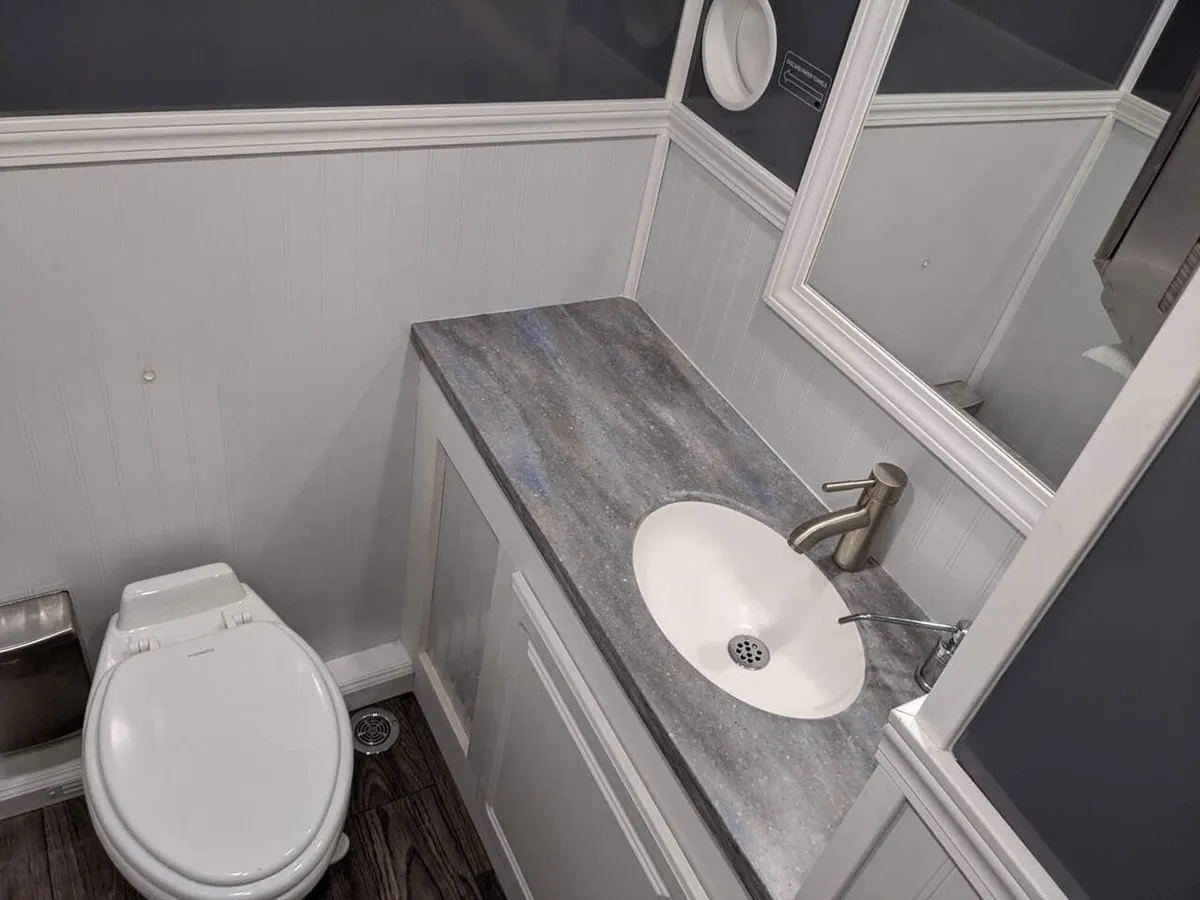
Hydraulic fracturing operations in Texas bring the largest temporary workforces to individual well sites, with frac crews often numbering 50-100 workers during intensive completion activities. These operations run continuously for days at each location before moving to the next well, creating unique sanitation challenges that require mobile, high-capacity solutions. Restroom trailers designed for frequent relocation and heavy use have become essential equipment for Texas frac operations.
The Intensive Nature of Frac Operations
Hydraulic fracturing involves pumping large volumes of fluid at high pressure to fracture rock formations and release oil and gas. This process requires substantial equipment—pump trucks, blenders, sand haulers, and support vehicles—along with the personnel to operate, monitor, and maintain this equipment throughout operations.
Frac operations typically run 24 hours a day during active pumping, with crews working 12-hour shifts. A single well may require several days of continuous operations, with some multi-stage completions taking a week or more. During this time, the workforce remains on or near the site around the clock.
Once a well is completed, the entire operation—equipment, personnel, and support facilities—moves to the next location. This mobile nature requires restroom facilities that can relocate quickly and set up efficiently at new locations.
Workforce Size and Facility Requirements
Frac operations employ significantly larger workforces than drilling operations. A typical frac spread might include 60-80 workers per shift when accounting for pump operators, equipment operators, sand coordinators, chemical handlers, maintenance personnel, and supervision. With shift overlaps and support personnel, peak site population can exceed 100 workers.
OSHA requirements for sites exceeding 200 workers mandate one toilet and one urinal per 50 workers. While most frac sites fall below this threshold, practical considerations often require facilities exceeding OSHA minimums. Large workforces concentrated at single locations create peak demand that minimum facilities cannot adequately serve.
Shift changes create the most concentrated facility demand. When 60-80 workers complete a shift and another group arrives, virtually everyone needs restroom access within a short window. Adequate capacity during these transitions prevents delays that affect operational efficiency.
Mobile Facility Strategy
Frac operations move frequently—every few days during active completion programs. Restroom facilities must match this mobility, relocating with the frac spread to each new well site. Equipment designed for frequent towing and rapid setup supports this operational pattern.
Self-contained trailers that operate without external connections simplify moves between locations. These units arrive ready to operate, with onboard water, waste capacity, and generator power. No utility hookup time means facilities are available immediately when crews arrive at new sites.
Coordinate facility moves with spread movements. Restroom trailers should arrive before crews begin work at new locations. Build facility setup time into move schedules to ensure workers have access from the start of operations.
Climate Control for Extreme Conditions
Frac operations occur year-round in Texas, exposing workers to the full range of state weather conditions. Summer operations face extreme heat, with temperatures regularly exceeding 100 degrees. Workers operating near hot pumping equipment face even more intense conditions.
Air-conditioned restroom trailers provide essential relief during Texas summer completions. Workers overheated from pump monitoring, equipment operation, or other outdoor tasks desperately need cool environments during breaks. Climate-controlled facilities encourage the hydration and rest that prevent heat-related illness.
Winter frac operations in the Panhandle and other northern regions encounter freezing temperatures. Heated trailers with freeze protection maintain operation during cold periods. Equipment designed for oilfield use in various climates handles Texas temperature extremes effectively.
Positioning Facilities on Frac Sites
Frac sites are crowded with equipment, vehicles, and activity. Positioning restroom facilities requires finding space that’s accessible to workers without interfering with operations. The active nature of frac sites means equipment moves frequently, so facility positioning must account for operational traffic patterns.
Locate facilities near break areas or crew staging locations when possible. Workers should be able to access restrooms without traveling through active operational areas where pump trucks, sand haulers, and other equipment operate.
Consider noise levels when positioning facilities. Frac operations are loud, with continuous engine noise from pump trucks and blenders. Positioning facilities where workers can briefly escape the noise during breaks provides additional relief.
Service Logistics for Moving Operations
Mobile frac operations create service challenges different from stationary facilities. Service providers must track facility locations as they move between sites. Clear communication about upcoming moves enables providers to adjust service routes appropriately.
High workforce numbers require frequent service despite short stays at each location. Facilities serving 80+ workers for several days can reach capacity limits faster than weekly service allows. Discuss your operation’s pattern with service providers to establish appropriate schedules.
Consider capacity when planning moves. If facilities will be at capacity by the end of a well completion, schedule service before the move to the next location. Arriving at a new site with fresh facilities starts operations positively.
ADA Compliance
ADA-compliant restroom trailers ensure accessibility for workers requiring accommodation. While active frac sites have practical access limitations, support areas and accessible work positions should have appropriate facilities available.
Injuries during frac operations sometimes create temporary accessibility needs. Having accessible facilities already part of the spread ensures immediate accommodation for workers recovering from incidents or with pre-existing conditions.
Company and operator representatives visiting sites may require accessibility. Including accessible facilities in frac spreads ensures all visitors can be appropriately accommodated.
Contractor Coordination
Frac operations involve the frac company, wireline crews, the operator, and various service companies. Clear understanding of facility responsibilities prevents gaps. Typically, the frac company provides facilities for their crews, but arrangements should be clarified for other personnel on site.
Communicate facility locations during pre-job meetings. Workers from different companies should know where facilities are located and expectations for use. Clear communication prevents confusion and ensures all personnel have appropriate access.
Wireline and perforating crews may arrive during frac operations to prepare stages. These additional workers increase facility demand temporarily. Plan for these overlaps when sizing capacity.
24-Hour Operations Support
Continuous frac operations require 24-hour facility availability. Night crews need the same quality facilities as day crews. Adequate lighting, continuous climate control, and maintained supplies ensure consistent service around the clock.
Generator fuel management becomes critical during continuous operations. Air conditioning during summer days and heating during winter nights consumes substantial fuel. Monitor fuel levels and establish replenishment schedules that prevent outages.
Night shift workers may be the first to notice facility problems. Establish reporting procedures so issues can be addressed promptly, whether by on-site personnel or service provider emergency response.
Worker Welfare and Retention
Frac work is physically demanding, with long hours in challenging conditions. Quality facilities demonstrate employer commitment to worker welfare. In a competitive labor market, the frac companies providing best site conditions attract and retain experienced crews.
Climate-controlled restroom trailers provide tangible comfort that workers appreciate. After hours of hot, loud, demanding work, access to cool, clean facilities makes a real difference in worker satisfaction. This satisfaction translates to retention and performance benefits.
Word spreads among oilfield workers about which companies provide quality accommodations. Reputation for good site conditions aids recruitment and helps maintain experienced crews who understand how to work efficiently and safely.
Planning Your Frac Operation Restroom Strategy
Successful sanitation planning for Texas frac operations requires understanding the mobile, intensive nature of completion work. Calculate peak workforce numbers, plan for frequent moves between locations, and ensure facilities match the demanding operational pattern of frac spreads.
Working with experienced Texas restroom trailer providers ensures appropriate recommendations for frac operations. Providers familiar with completion work understand mobile equipment requirements, high-capacity demands, and the service logistics of operations that move frequently.
Quality restroom facilities support the crews completing Texas wells. The investment in proper sanitation demonstrates commitment to worker welfare while maintaining the productive conditions that efficient completion operations require. Request a quote today to discuss restroom trailer solutions for your Texas frac operation.