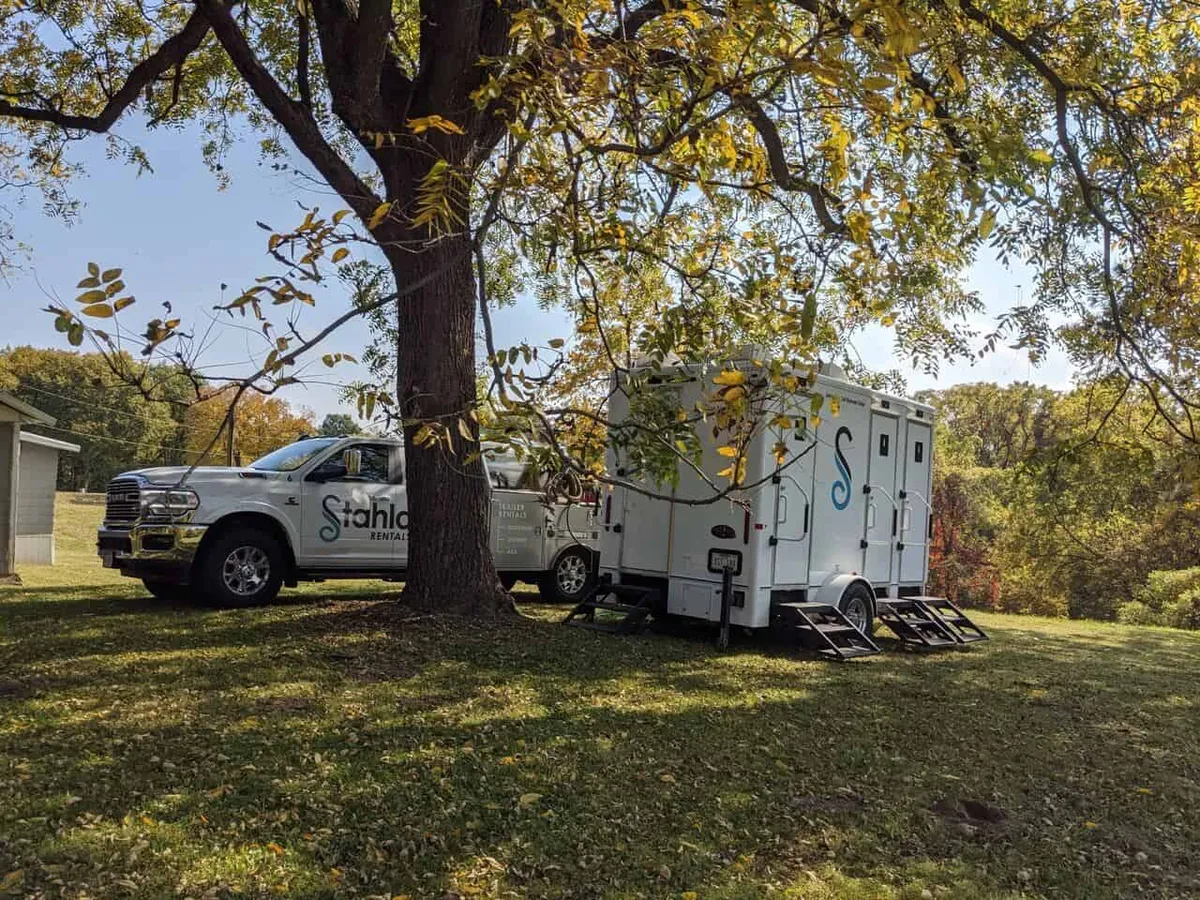
Texas wine country has transformed over the past two decades. From the rolling hills of Fredericksburg to the high plains of the Texas Panhandle, vineyards now dot the landscape—and many have become sought-after wedding destinations. These venues offer stunning backdrops of grapevines and oak trees, but they also present unique logistical challenges that couples must address.
Restroom facilities rank among the most important—and often overlooked—considerations for vineyard weddings. Most Texas wineries weren’t designed to accommodate hundreds of wedding guests, and their existing facilities simply can’t handle the demand. Understanding your options ensures your guests stay comfortable while you focus on celebrating.
The Texas Wine Country Wedding Landscape
Texas ranks fifth nationally in wine production, with over 400 wineries spread across the state. The Texas Hill Country alone accounts for the second-most visited wine region in America, trailing only Napa Valley. This growth has created an explosion of vineyard wedding venues, each with its own character and challenges.
Popular vineyard wedding areas include:
Fredericksburg and the Hill Country: The heart of Texas wine country, featuring established vineyards with varying levels of event infrastructure. Some properties have invested in permanent event facilities; others remain working farms with minimal guest amenities.
Grapevine and North Texas: Urban-adjacent vineyards that sometimes offer more developed infrastructure but face different space constraints.
High Plains and West Texas: Emerging wine regions with newer vineyards that may lack established event facilities entirely.
East Texas: Smaller boutique vineyards in a more humid climate, often with rustic charm and limited permanent facilities.
Why Vineyard Venues Need Supplemental Restrooms
Working vineyards weren’t built for weddings. Their tasting rooms might accommodate 30-50 visitors at a time—not the 150-300 guests typical at a wedding celebration. Even vineyards that have added event spaces often underestimate restroom needs.
Several factors compound the problem at vineyard venues:
Wine consumption increases restroom use. This might seem obvious, but it’s worth emphasizing. Wine tastings and wedding toasts mean guests visit the restroom more frequently than at other events. Open wine bars amplify this effect significantly.
Remote locations limit options. Many vineyard venues sit miles from town, making it impractical to direct guests elsewhere. Your venue’s facilities—whatever they may be—are all you have.
Outdoor ceremony sites spread guests thin. Vineyard weddings often feature ceremonies in the vines and receptions in a separate area. This geographic spread makes restroom access more complicated.
Historic buildings have limitations. Some vineyard venues occupy restored farmhouses or barns with plumbing systems that simply can’t handle high-volume use.
Restroom Trailer Options for Vineyard Weddings
Climate-controlled restroom trailers offer the most practical solution for vineyard wedding venues. These mobile facilities provide everything guests expect from quality restrooms—flushing toilets, running water, mirrors, lighting, and climate control—in a self-contained unit that can be placed virtually anywhere.
For vineyard settings specifically, restroom trailers offer advantages that align with the venue aesthetic:
Upscale appearance: Quality restroom trailers feature finishes that complement wine country elegance. Interior appointments often include wood-grain accents, vessel sinks, and attractive lighting that feels appropriate for the setting.
Climate control matters in Texas: Hill Country summers regularly exceed 100 degrees. Vineyard locations may lack shade near event areas. Air-conditioned restroom trailers give guests a brief respite from the heat—a welcome feature during outdoor celebrations.
Self-sufficient operation: Most vineyard venues lack the infrastructure for permanent high-capacity restrooms. Quality trailers operate on their own water supply and waste tanks, requiring only a reasonably level surface for placement.
Flexible positioning: Trailers can be placed to serve both ceremony and reception areas, or positioned strategically to minimize visual impact while maximizing accessibility.
Calculating Capacity for Vineyard Events
Standard restroom planning formulas don’t always apply to vineyard weddings. Wine consumption, outdoor heat, and extended event durations all increase usage beyond typical calculations.
For a vineyard wedding with wine service, plan for approximately one restroom station per 20-25 guests rather than the standard 1:35 ratio used for other events. This accounts for increased usage patterns specific to wine country celebrations.
Example calculations:
- 75-guest intimate vineyard wedding: 3-4 stations minimum (one 4-station trailer)
- 150-guest celebration with full bar: 6-8 stations (consider a 6-station luxury unit plus a 2-station supplemental trailer)
- 200+ guest large vineyard wedding: 10-12 stations (multiple trailers strategically placed)
Factor in existing venue facilities if available, but be realistic about their capacity. A tasting room’s two bathrooms help, but they shouldn’t significantly reduce your trailer requirements for large events.
Accessibility Considerations at Vineyard Venues
Vineyard terrain presents accessibility challenges. Gravel paths, sloped grounds, and uneven surfaces between vines make mobility difficult for some guests. Your restroom solution must account for these realities.
ADA-compliant restroom trailers provide accessible facilities with features including:
- Ramp access meeting ADA slope requirements
- Wider doorways accommodating wheelchairs
- Grab bars and accessible fixtures
- Lower sinks and mirrors
- Adequate interior space for maneuverability
Beyond legal requirements, accessible facilities serve elderly guests, pregnant attendees, and anyone with temporary mobility limitations. For vineyard venues with challenging terrain, accessible restrooms become even more important as guests may be fatigued from navigating the property.
Positioning Trailers at Vineyard Properties
Where you place restroom trailers at a vineyard venue requires coordination with the property owner and your rental provider. Several factors influence optimal placement:
Proximity without intrusion: Trailers should be close enough for convenient access (2-3 minute walk maximum) but positioned so they don’t appear in ceremony photos or dominate reception views. Vineyard landscapes often offer natural screening opportunities using outbuildings, hedges, or vine rows.
Ground conditions: Vineyard roads and paths may be packed earth or gravel. Identify firm, level areas for trailer placement. Avoid positioning on slopes or soft ground that could shift. Your rental company can advise on surface requirements.
Delivery route access: Trailers arrive on trucks that need adequate road width and overhead clearance. Vineyard properties may have narrow lanes or low-hanging trees that complicate access. Confirm the delivery route well before your wedding date.
Multiple locations for large properties: Expansive vineyard venues may benefit from multiple smaller trailers rather than one large unit. This reduces walking distances and prevents bottlenecks at peak times.
Integrating Restroom Trailers with Vineyard Aesthetics
Wine country weddings emphasize ambiance and natural beauty. Your restroom solution should complement rather than clash with the setting. Several approaches help integrate trailers with vineyard aesthetics:
Choose neutral exteriors: White or cream-colored trailers blend better with vineyard settings than bold colors. Some rental companies offer units with wood-grain exterior accents that complement rustic venues.
Add pathway elements: Create an intentional approach to the restroom area using gravel paths lined with wine barrels, potted lavender, or string lights. This transforms a utilitarian walk into part of the vineyard experience.
Consider signage: Rustic wood signs directing guests to “The Facilities” or “Powder Room” maintain the wine country feel. Avoid industrial or generic signage that breaks the atmosphere.
Add personal touches: Many couples place fresh flowers, wine cork arrangements, or vineyard-themed decor near trailer entrances. These small details show attention to guest experience throughout the venue.
Texas Wine Country Weather Considerations
Texas weather varies dramatically by season and region, affecting your restroom planning in several ways:
Summer heat (May-September): Hill Country temperatures routinely exceed 100°F. Climate-controlled trailers are essential—not optional—during summer months. Standard portable toilets become unusable in extreme heat.
Spring storms (March-May): Texas spring brings unpredictable weather including thunderstorms. Ensure trailers are positioned on ground that drains well and won’t become muddy.
Fall harvest season (September-November): Peak wedding season coincides with grape harvest at many vineyards. Confirm trailer placement won’t interfere with vineyard operations and book early—demand is highest during this period.
Winter considerations (December-February): Texas winters are generally mild, but Hill Country can see occasional freezes. Heated trailers prevent pipe issues and keep guests comfortable during cooler celebrations.
Working with Vineyard Venue Coordinators
Most established vineyard wedding venues have worked with restroom trailer providers before. Their experience can streamline your planning:
- Ask about preferred placement locations they’ve used successfully
- Confirm any venue requirements or restrictions on trailer types
- Understand their timeline for vendor access before and after events
- Discuss electrical availability if you want exterior lighting around trailers
- Coordinate with other vendors who may need access to the same areas
Some vineyard venues have exclusive agreements with specific rental providers. Confirm any vendor requirements early in your planning to avoid complications.
Budget Planning for Vineyard Wedding Restrooms
Restroom trailer costs for vineyard weddings depend on several variables. Expect these general ranges for Texas wine country events:
Standard trailer (2-4 stations): $500-1,000 for a weekend rental
Luxury trailer (4-6 stations): $1,200-2,500 for a weekend rental
ADA-compliant units: Add $200-500 to base pricing
Delivery to remote locations: $150-400 depending on distance
Hill Country deliveries often incur higher fees due to distance from major cities and challenging access roads. Factor delivery costs into your budget when comparing options.
Compared to overall vineyard wedding costs—which often range from $30,000 to $100,000 in Texas wine country—quality restroom facilities represent a small investment with significant impact on guest experience.
Planning Your Vineyard Wedding Restroom Solution
Vineyard weddings combine natural beauty with logistical complexity. Restroom facilities deserve early attention in your planning process—ideally as soon as you’ve secured your venue.
Start by assessing your venue’s existing facilities and understanding their limitations. Then calculate your needs based on guest count, wine service plans, and event duration. Book restroom trailers early, especially for peak fall wedding season when demand is highest.
The goal is simple: guests should find quality facilities easily, use them comfortably, and return to celebrating without giving restrooms a second thought. Quality restroom trailers make this possible even at the most remote vineyard venues.
Ready to discuss restroom solutions for your Texas vineyard wedding? Request a quote with details about your venue and guest count. We’ll help you find the right facilities for your wine country celebration.